
Updated 30 Oct 2026
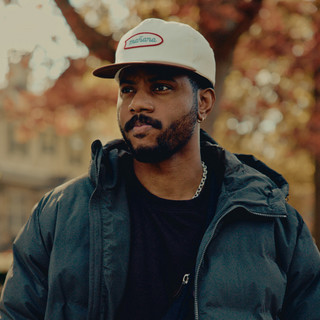
Bryson Tiller more or less named the trapsoul lane, that dark, moody mix of R&B singing and trap drums, and the production is smoother and simpler than it sounds. The whole beat is built to leave space, because someone is going to be singing over it, so the melody stays lush but out of the way and the drums hit hard without crowding the vocal. Producers chase the vibe with warm pianos, Rhodes and pads, then run them through reverb and granular effects until a plain chord loop feels textured and expensive. The drums borrow a triplet, slightly drill influenced bounce, and the low end comes from a subby 808 or even a reversed bass. Get the chords moody, the sample textured and the drums spacious, and your loop stops sounding like a clean demo and starts sounding like something Bryson could actually sing on. Here is how the sound is built, step by step.
You do not need a finished beat to start. The Bryson Tiller loops sit in step 1 and again at the bottom, ready to play.
Tempo sits in a wide, mid range. Trapsoul tutorials for Bryson Tiller land somewhere between roughly 100 and 140 BPM, with producers picking 105, 115 and 140 in different breakdowns. A lot of them lean on a halftime feel, where the hats get programmed twice as fast and then halftimed so the beat drags and feels slow even when the project tempo reads higher. Pick a tempo that lets the groove breathe, because the bounce carries the energy while the melody stays relaxed.
The key is minor. These tutorials lean mostly on A minor and B minor, and because many of his songs sit in B minor, D major comes up as the relative major. Turn on a scale highlight or scale lock in your piano roll so every note stays in key, then reach for extended chords rather than plain triads. Minor 7, minor 9 and minor 11 chords with a few inversions give that lush, emotional color, and a single tension note can push a chord somewhere more interesting.
Start with long, sustained chords and give them room. A common move is to extend each chord across about two bars, line up a few shared notes between chords so the loop transitions smoothly, then add one extra note to make the sound fuller without changing the whole progression. In A minor a simple path is to move from the one chord to the four and back, ending on the five, building each one as a seventh, ninth or eleventh chord. Changing a single root note at the end of the loop is often all you need to make it circle back nicely.
The feel comes from how you play the chords, not from piling on notes. Select everything, hit the strum command and let the notes roll instead of landing all at once, then randomize the velocities so it sounds human rather than quantized. One well placed tension note, like a sharpened note that turns a minor chord into a 7#9, adds emotion without clutter. Keep the melody open on purpose, because a singer needs the space, so let the chords and texture carry the mood and stay out of the vocal lane.
Warm keys are the foundation. Producers reach for organs, pianos and Rhodes, along with pads from synths like Prophet, Aura, Pigments and the free FL synth Flex, and they drown a lot of it in reverb to get that vibe. On top of the chords they stack texture one-shots, little noisy Rhodes walk downs and processed keys that add an unnerving, vintage sparkle between the main hits. The goal is a small palette, often only a handful of sounds, where every layer earns its place rather than a wall of melody.
Vocals are part of the instrument palette too. Arcade and sample vocals get pitched, chopped and often reversed, and some producers even take a dry vocal and turn it into a sung female line before pitching it into key. Layer a counter melody that mostly sits inside the chords, with a note or two outside the chord just to create tension, and add subtle ear candy like squeaks, vinyl ambience and reversed swells between the chords. Keep every extra layer quiet so the main progression and the eventual vocal stay in front.
A signature trapsoul move is to render your chord loop to audio and flip it. Play the progression, add a vocal or a texture on top, then bounce the whole thing to a single audio file. From there you can time stretch it, transpose it down a semitone or two, reverse it and chop it into pieces, then lay the chops back out so the loop plays backwards into itself. That reversed, slightly detuned version instantly sounds more like a sample flip than a clean MIDI performance.
Then process the chops until they feel textured and worn. Granular tools like Portal, saturation like Thermal and Digital Tape Toys are go-to choices because the spaces and fades you leave in the loop give them room to breathe. Add small fade ins on each chop for a ducking, side chain style feel, and cut the lows and some highs off the busy parts so the mix stays clean. Some producers even reduce the sample rate to make a melody sound underwater and muffled, like a pillow over the sound, then blend that with a brighter version for high energy sections.
The low end can come from a few different places in this sound. Many beats use a subby 808 with slides, copying the root notes of your chords onto the pattern and adding a teeny slide here and there instead of busy runs. Others reach for a rich sub bass preset or a Moog style bass for that smooth, warm bottom you hear under a lot of Bryson Tiller, Drake and PartyNextDoor records. If you switch between a bass line and an 808, make sure both channels are cut by the same numbers so the handoff does not distort.
A clever alternative is to skip the 808 entirely and use a reversed bass for the low end. If you render your chords and do not cut the lows out, the reversed bass that falls out of that flip can carry the bottom with a lot of movement and a rich, unusual tone. For a harder hook you can add a small second kick to give the 808 more punch, or program a cooler slide pattern just in the chorus so the drop feels like a lift without changing the whole beat.
Keep the drums hard but simple, with a triplet, slightly drill influenced bounce. A typical pattern layers a perk in a standard groove, a second percussion or snare sound on top for jerk style movement, drill leaning hi-hats and one more hat layer that fills the spaces, plus a kick that mostly accents rather than pounds. The hats are where the halftime trick lives: program them twice as fast, then halftime the pattern so the groove sits slow and sexy under the melody.
The detail that sells it is restraint plus a little grit. Pick a spacey trapsoul snare, tighten its tail and get rid of the reverb so it stays crisp, and layer the raw, untrimmed snare tail only in the hook for extra weight. Add a few hat rolls and stutters, use open hats as a crash into a section, and leave clear space so the pattern breathes and the singer has room. Light leveling and panning is usually all the drums need, since the whole point is to hit hard without crowding the vocal.
The mix is about space and texture, not loudness. Cut the lows out of the busy melodic sounds with an EQ so the sub and 808 own the bottom, and take a little off the high end here and there to keep things smooth rather than harsh. A light touch of delay, some panning and a bit of stereo separation on the chords makes the melody wider and more immersive, while reverb glues the keys into that moody haze. The reversed, granular textures do a lot of the work, so let them sit and avoid over processing.
Treat effects as part of the sound design rather than a fix at the end. Side chaining the melody or bass to the kick adds pump and movement, a phaser or tape effect can warp a flat sound into something characterful, and small fades keep granular plugins breathing. On busier tutorials there is often almost nothing on the master, because the vibe is already baked into the parts. Mix to taste and keep checking that the center stays open, since a singer has to live in that space.
Once the moody chords, the textured sample flip and the spacious drums sit together, the hardest part of the sound is done. The part that eats the most time is that lush, in key chord progression with the right extensions and strum, so instead of fighting the piano roll for an hour you can grab a free hand-played loop in exactly this trapsoul and R&B lane, drop it straight into your session, and build the reverse flip, the 808 and the drums around a progression that was actually performed.
Every loop on ndacompany.de is hand-played by real producers, free to download and never AI generated, so you can audition ideas fast and keep the ones that spark something. There is no login wall to hear them, and a free account simply lets you save your favorite loops and come back whenever inspiration hits, so your next Bryson Tiller type beat starts with a real idea instead of a blank arrangement.
Pick a loop and drag it into your DAW. 808 under it, clap on top, your first Bryson Tiller beat is running.
All Bryson Tiller loopsTempo, key and mood of the Bryson Tiller loops, straight from our catalog.
| Loop | BPM | Key | Vibe |
|---|---|---|---|
| Inverno | 101 | Amin | Ambient |
| Did you want too | 140 | Ambient | |
| Caretaker | 122 | G#min | Ambient, Beautiful, Floating |
| Diamondtest | 135 | Fmin | Ambient |
| 100K | 111 | Emin | Ambient, Vintage |
| Feline | 138 | C#min | Ambient |
| Zittern | 110 | Ambient, Beautiful | |
| Tidal | 140 | Ambient |
Trapsoul tutorials for Bryson Tiller land between roughly 100 and 140 BPM, with producers using 105, 115 and 140 in different breakdowns. Many lean on a halftime feel, programming the hats twice as fast and then halftiming them so the groove drags and sits slow under the melody.
Minor. The tutorials lean mostly on A minor and B minor, and because many of his songs sit in B minor, D major shows up as the relative major. Use a scale lock and reach for extended minor 7, 9 and 11 chords rather than plain triads.
Long, sustained extended chords: minor 7, minor 9 and minor 11 with a few inversions, often moving from the one to the four and back and ending on the five in A minor. Strum them and randomize the velocities, and add a single tension note like a 7#9 for extra emotion.
Warm organs, pianos, Rhodes and pads from synths like Prophet, Aura, Pigments and Flex, drenched in reverb, plus texture one-shots and reversed, pitched vocal chops from Arcade. Granular and tape effects like Portal, Thermal and Digital Tape Toys turn a plain loop into a textured sample.
A hard but simple triplet, drill influenced bounce. A perk, a layered percussion or snare, drill leaning hi-hats and a filler hat layer, plus a kick that accents more than it pounds. Program the hats fast then halftime them, add a few rolls and stutters, and leave space for the vocal.
You can download free hand-played loops in this trapsoul and R&B lane on ndacompany.de and build your beat around them. The loops are never AI generated, there is no login to listen, and a free account just lets you save your favorites and return anytime.
They are not royalty-free. Free in your own beats; a 50/50 publishing split with NDA Company applies to every commercial release. License Terms
About NDA · All Artists & Genres · Free Loop Kits · Guides · Free Type Beat Loops · Loops by BPM & key · Splice Alternative
Nothing that fits?
All Bryson Tiller loops