
Updated 30 Oct 2026
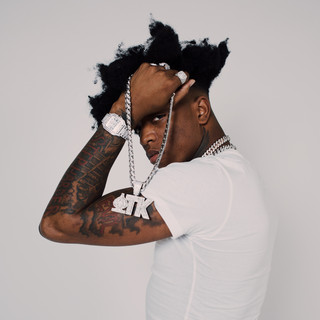
A Yungeen Ace type beat is pain music: an emotional piano or guitar lead, a choir pad underneath and drums that stay out of the way of a sung, Auto-Tuned flow. The Jacksonville rapper pairs a sweet singsong delivery with grim stories, so the beat has to carry real feeling and leave room for the voice. The chords are usually minor seventh shapes, which give that smooth, groovy sadness under the lead. Most of the work is in the melody, so spend your time there and keep everything else out of the way.
You do not need a finished beat to start. The Yungeen Ace loops sit in step 1 and again at the bottom, ready to play.
Most beats run 120 to 150 BPM, usually with half time drums. At 140 half time it reads like 70, which is what gives it that heavy, pained weight.
The key is minor, E minor, G minor and B minor come up most. The melody carries the pain, so pick an emotional loop first and let the key come from it.
The loops in step 1 stream right here and the mp3 is free. Then work through the six steps.
Everything in this lane lives on the lead, so this is where the time goes. Keep the base chords simple, a slow minor progression, and put the work into the top line above them. Producers building these pain loops spread one chord across octaves and flip notes up and down so a plain minor shape sounds big without getting busy underneath.
Velocity is the single biggest thing that makes a clicked in piano sound real. Instead of every note at one level, play some soft and some hard the way a hand would, so the top line breathes instead of sounding robotic. If you are not a keys player, click the chords in and then go back and ride the velocities until it feels human.
Turn on scale highlighting so every off key note is blacked out, then add small grace notes and little runs between the chords. A few passing notes that are technically off key, held only for a moment as you move from one chord to the next, give it that soulful pain feeling. Keep them quick, land on them and you break the mood.
Apple Music describes Yungeen Ace as sweetly Auto-Tuned and singsong over grim lyrics, and that tension is the whole thing: a pretty melody carrying a hard story. The beat has to feel sad on its own.
His breakout tape Life of Betrayal and tracks like Pain and Who I Smoke, which samples Vanessa Carlton and went gold, lean on melody over hard drums. The emotion in the loop does the work.
Because the flow is sung and melodic, the gaps matter as much as the notes. Leave the midrange open and let the vocal breathe.
The melody carries the pain: a sad piano, a soft guitar or both, often with a choir pad underneath to deepen it. Minor seventh chords, something like D minor 7 to E minor 7 to F major 7, give it that smooth, groovy sadness, and doubling the piano with a recorded acoustic guitar thickens the lead. The feeling comes from the loop, not the mix.
A real sounding guitar is mostly about pitch bends. Turn the modulation range up on a Kontakt guitar library and record the bends live with the mod wheel instead of clicking them in, it sounds natural and it saves you a painful editing session. Pan the lead guitar to one side and a second guitar or an arp to the other so the two do not clash in the headphones.
Layering is how the lead gets its body. Copy and paste the same chords onto a Rhodes or a soft synth and tuck it just under the main piano so you feel it more than you hear it. On the piano itself a dark reverb and a touch of delay is often all it needs, many of these loops run almost raw with no EQ.
High pass the melody so the 808 stays clear, and keep the middle for the vocal. A choir sitting just under the lead adds weight without crowding the sung line. On the guitar cut the harsh top with an EQ so the bright notes do not pierce, and a synth layer from a plugin like Xpand!2, pitched up an octave with the low notes removed and widened in stereo, can sit underneath for a little extra colour.
For a real bass guitar the Rickenbacker presets are the go to. The Night Session preset is the one everyone reaches for, so an alternative keeps your beat from sounding like every other loop in the lane. Add small runs and leave little stops where the bass drops out for a bar, and jump a note up an octave before the next one for movement, it keeps the low end alive without getting busy.
Keep the bass clean with a simple EQ, a low cut around 40 Hz and a gentle roll off up top is enough, the rest is feel. Lower the velocity on the deepest notes so they sit softer than the rest.
If you want that soulful intro feel, a live drum pattern works better than a programmed trap kit. A real kit sample played loose, felt half time, gives it the human weight this lane lives on. Whatever you use, the drums stay behind the melody, soft and spaced, never slamming.
The position of the loop is not fixed. A few semitones change its whole character.
Up the piano gets lighter and thinner, down it gets fuller and darker. The key moves with it, so pull the 808 to the new root afterwards.
Hard drums. A painful melodic beat needs soft, spaced drums felt half time, not a slamming trap kit.
A melody with no feeling. The pain is the point, pick a loop that already moves you before you touch the drums.
Flat, robotic keys. If every note is the same velocity it sounds clicked in, ride the velocities so the top line feels played by hand.
A lead that is too loud or too buried. These bends and top lines want a balance, loud enough to stand out, quiet enough to leave the vocal room, and panning helps you find it.
Crowding every gap. This is sung, not rapped tight, so leave room for the vocal to breathe.
Every loop here is played by hand, no AI, and free as an mp3. Load one in, build the 808 and the soft half time drums around it and you have the bones of a Yungeen Ace type beat in a few minutes.
Pick a loop and drag it into your DAW. 808 under it, clap on top, your first Yungeen Ace beat is running.
All Yungeen Ace loopsTempo, key and mood of the Yungeen Ace loops, straight from our catalog.
| Loop | BPM | Key | Vibe |
|---|---|---|---|
| Catholic | 140 | F#min | Dark, Hard, Turned |
| BIG RIMS | 143 | Gmin | Dark |
| Lagos | 125 | D#min | Sad |
| Cuir | 136 | F#min | Ambient, Beautiful, Sad, Vintage |
| Lenken | 140 | C#min | Ambient, Beautiful, Sad |
| Problems | 125 | C#min | Ambient, Dark |
| Chosen | 140 | Cmin | Sad |
| Karusel | 150 | Cmin | Dark, Virtual |
| You Lyin | 125 | Bmin | Ambient, Sad |
| Motions | 140 | F#min | Ambient, Sad |
120 to 150 BPM, usually half time. At 140 half time it feels like 70, which gives it the pained weight.
Minor, most often E minor, G minor or B minor. Take the key from your loop.
Minor seventh shapes, a progression like D minor 7 to E minor 7 to F major 7. The sevenths give the smooth, groovy sadness the lane lives on, and spreading the chord notes across octaves makes a simple shape sound big.
Ride the velocities so some notes play soft and some hard like a hand would, turn on scale highlighting and add quick passing notes between the chords. A flat, one velocity melody is the giveaway that it was clicked in.
A sad piano or guitar for the melody, a choir pad underneath and a supportive 808 with soft, spaced drums. A Rhodes or acoustic guitar doubling the piano thickens the lead.
A pretty, sung Auto-Tune melody carrying grim lyrics. The beat has to feel sad on its own and leave room for the voice.
Life of Betrayal, Pain and Who I Smoke, which samples Vanessa Carlton and went gold, all melody led over soft drums.
Yes, every loop is a free mp3. A commercial release means a 50/50 split with NDA Company.
They are not royalty-free. Free in your own beats; a 50/50 publishing split with NDA Company applies to every commercial release. License Terms
About NDA · All Artists & Genres · Free Loop Kits · Guides · Free Type Beat Loops · Loops by BPM & key · Splice Alternative
Nothing that fits?
All Yungeen Ace loops