
Updated 30 Oct 2026
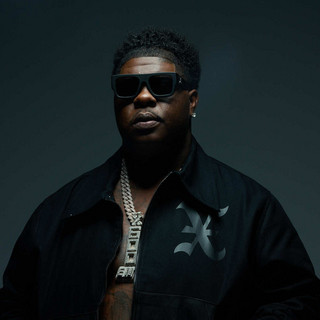
BigXthaPlug turned a soulful, sample heavy sound into one of the biggest lanes in Texas trap, and the production is the opposite of the busy rage style. It is built around a flipped soul or funk record, a hard 808 and drums that stay dead simple on purpose. The whole feel comes from the sample doing the emotional work while everything underneath leaves room for a deep, laid back voice to rap over the top. The trick most producers miss is that these beats breathe. The tempo is slower than normal trap, the melody is a chopped vintage loop rather than a synth pattern, and the drums smack hard but never crowd the record. Get a soulful sample on time, pick a knocking 808, keep the pattern clean, and clip it so the whole thing sits loud and warm. Here is how the sound is built, step by step.
You do not need a finished beat to start. The BigXthaPlug loops sit in step 1 and again at the bottom, ready to play.
The tempo sits slower than most trap on purpose. Tutorials recreating BigXthaPlug keep landing in the low 120s, and you can hear producers pulling samples down to get there. One brings a 140 BPM sample down to roughly 118 to 122, another slows a flipped funk loop to 126, and soul sample tutorials dig in the 110 to 130 range before chopping. That slower pace is what gives the beat its heavy, swaggering bounce and leaves space for the vocal, so resist the urge to speed it up to a normal trap tempo.
The key is minor, but you usually inherit it rather than choose it. Because the beat starts from a flipped soul or funk record, the key is simply wherever that record sits, and tutorials land in D minor, G minor and G sharp minor depending on the sample. Set your project to that key once you find the loop, lock your 808 and any added instruments to it, and let the sample lead. The mood comes from the record itself, not from writing a progression from scratch.
The sound starts with a sample, not a synth. Producers dig through 70s and 80s blues, funk and soul records using dedicated sample finding sites or the Splice library, filtering by genre, by decade and by a 4/4 time signature, then preview until a line with real instruments and a bit of vocal jumps out. You are looking at a song like a loop, hunting for an intro with a vocal, a hook with just the instruments, and a filtered section you can bring in later. A gut feeling about a record is enough reason to flip it.
Getting it on time is the slow part. Drag the sample in, time stretch it until it sits cleanly on the grid, which is honestly the hardest and most time consuming step, then chop two or three sections so you have enough to arrange a full beat. A common move is to chop roughly every three bars and switch it up on the fourth bar so the loop has variation instead of repeating flat. Finally run a filter on the sample and roll off the highs and the lows so it tucks in under the 808 instead of fighting it.
Even when a producer builds the loop from scratch rather than sampling a record, the goal is that vintage, real instrument feel. Tutorials reach for cinematic piano from Omnisphere, organ, electric guitar recorded through a wah pedal, saxophone, strings and the occasional harmonica, all aiming at a 60s and 70s soul vibe. A useful trick is to play chords but add one extra note at the end of the phrase, which gives the loop a little bounce, and to start some notes slightly ahead of the bar so the groove feels human and full of tension rather than quantized.
Choirs and vocal textures are a signature topping. Layer two choir sounds, one higher and one lower, then EQ them so one keeps its highs and the other has the highs cut, and they blend into a single warm pad behind the melody. Keep the instrumentation tasteful, because the whole point of this sound is space. A couple of well chosen layers and a filtered vocal read as rich and soulful, while piling on parts just muddies the record and steals the room the rapper needs.
The 808 choice follows the sample. When the loop is bright and brassy, producers reach for a hard, aggressive 808 with real distortion so it cuts through, and when the sample is more melodic or mellow they go for a clean sub instead. Play the notes in, follow the kick pattern closely so the low end locks with the drums, keep the written notes simple, and add the occasional slide so it bends into the next note rather than playing busy runs.
Pitch and mud control matter as much as the sound. Set the 808 so your lowest note lands in a tight, dark range, and if it sounds muddy, pitch the whole 808 up a couple of semitones to clean it up rather than leaving it booming too low. Keep the body low and warm for that heavy Texas knock, and let the kick and 808 share the same pattern so the two hit as one unit. The 808 should feel like weight under the sample, not a second melody.
Keep the drums simple on purpose, because space is the whole sound. A reliable pattern is a clap layered with a snare for body, a two step hat with the lows rolled off so it stays crisp, a simple kick with the velocities cranked up so it smacks, an open hat that mostly hits on the downbeats, and a perk or transition note every few bars for movement. Play it by ear and chase a good balance rather than a technical pattern, since anything too busy crowds the record and leaves no room to rap.
The detail that sells it is the hi-hat groove and a few rolls. Producers agree that the hat pattern is the single biggest factor in whether one of these beats knocks, so spend your time there, keep it bouncing with a clean two step, and drop fast snare or hat rolls as transitions rather than filling every bar. A quiet kick that mostly accents the one keeps the pattern from getting cluttered, and the crisp clap and snare layer give the backbeat the slap it needs.
The whole vibe lives in a loud, warm, slightly clipped mix that still feels clean. The most common move across these tutorials is a soft clipper on the master, which lets the drums and 808 hit hard and glue together without the master distorting out of control. Push the velocities on the kick so it yams, make sure the 808 and kick share the same pattern, and let the soft clip catch the peaks so the low end stays thick and present instead of thin.
Carving space is what keeps it from turning to mud. Filter the sample so it gives up its highs and its lows, which lets the 808 own the bottom and the drums own the top, and keep effects to a minimum because these beats rely on good sounds more than heavy processing. A gentle EQ, a soft clipper and a filter are usually the whole chain. The artist can always adapt a simple, clean beat, so leave it open rather than overproducing every section.
Once the sample, the hard 808 and the simple drums sit together, the hardest part of the sound is done. The part that eats the most time is finding a soulful, on time loop to flip, so instead of digging for an hour and fighting a crate sample onto the grid, you can grab a free hand-played loop in exactly this soul and sample lane, drop it straight into your session, and build the 808 and the drums around a progression that was actually performed in key and on time.
Every loop on ndacompany.de is hand-played by real producers, free to download and never AI generated, so you can audition ideas fast and keep the ones that spark something. There is no login wall to hear them, and a free account simply lets you save your favorite loops and come back whenever inspiration hits, so your next BigXthaPlug type beat starts with a real idea instead of a blank arrangement.
Pick a loop and drag it into your DAW. 808 under it, clap on top, your first BigXthaPlug beat is running.
Browse all loopsSlower than most trap, usually in the low 120s. Tutorials pull a 140 BPM sample down to around 118 to 122, slow a flipped loop to 126, or dig in the 110 to 130 range. The slower tempo gives the beat its heavy bounce and leaves room for the vocal.
Minor, and you usually inherit it from the sample. Because the beat is built from a flipped soul or funk record, the key is wherever that record sits, so tutorials land in D minor, G minor or G sharp minor and tune the 808 and drums to match.
Dig through 70s and 80s blues, funk and soul on sample sites or Splice, filtering by genre, decade and a 4/4 time signature. Look for a line with real instruments and a bit of vocal, then time stretch it onto the grid and chop two or three sections.
A hard, distorted 808 when the sample is bright and brassy, or a clean sub when it is more melodic. Follow the kick pattern, keep the notes simple with the odd slide, and pitch the 808 up a couple of semitones if it sounds muddy.
Simple on purpose. A clap layered with a snare, a two step hat with the lows rolled off, a hard kick with cranked velocities, an open hat on the downs and a perk or two. The hi-hat groove is the biggest factor, so keep it bouncing and add a few rolls as transitions.
You can download free hand-played loops in this soul and sample lane on ndacompany.de and build your beat around them. The loops are never AI generated, there is no login to listen, and a free account just lets you save your favorites and return anytime.
They are not royalty-free. Free in your own beats; a 50/50 publishing split with NDA Company applies to every commercial release. License Terms
About NDA · All Artists & Genres · Free Loop Kits · Guides · Free Type Beat Loops · Loops by BPM & key · Splice Alternative