
Updated 30 Oct 2026
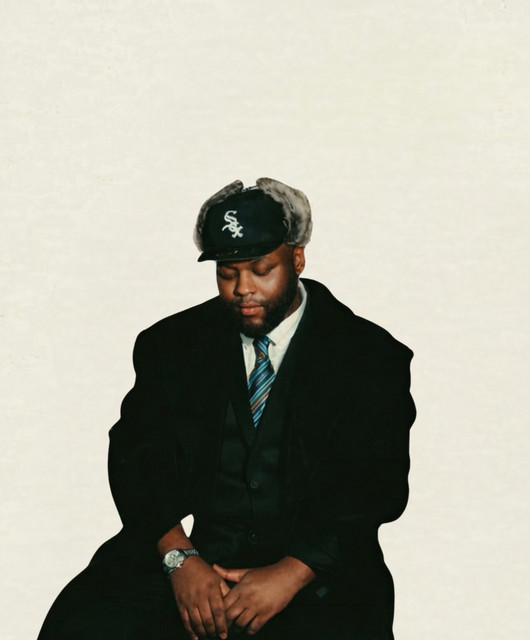
A Ronis Goliath type beat is Afrobeats and Afropop, not trap. The Cameroon-born, Berlin-based singer builds warm, danceable records out of a guitar-led melody, a bouncing round bass and a loose shaker-and-rim groove, and he sings over them in several languages. His breakout Foo7 got Shazamed in more than twenty countries, which tells you the melody has to be simple and global. The craft sits in three places: a groove that swings instead of marching, a bass that plays a little tune of its own, and a melody with a clear lane left open for a voice. Get those right and the rest is arrangement. Keep it warm, keep it moving, and leave room for a vocal to float on top.
You do not need a finished beat to start. The Ronis Goliath loops sit in step 1 and again at the bottom, ready to play.
The loops here run 110 to 140 BPM, with the bulk sitting around 123. Afrobeats usually lives around 100 to 118, so this lane is on the upbeat, danceable end.
Tempo is less about a single number than about the feel the drums carry. If a loop sounds a touch stiff, nudging it up two or three BPM often makes the shaker roll; if the melody feels rushed, slow it the same amount and the guitar breathes. Lock the tempo before you commit to the key so you are not fighting both at once.
The key is mostly minor, but the mood stays warm rather than sad. Take the key from your loop and put the bass and the melody on the same root. If the loop was not labelled, hum the lowest held note, find it on a piano and build the bass line from that, then double check by playing a simple minor chord over it.
The loops in step 1 stream right here and the mp3 is free. Then work through the six steps. Do them in order, because each one leans on the groove sitting under it.
This is a melody-first, percussion-driven genre. The guitar line and the vocal carry the song, the drums give it the roll, and nothing needs to be heavy or dark.
The groove is built on syncopation and swing, not on a straight grid. A useful starting frame is the kick landing on the one and skipping to the offbeats, the shaker running steady sixteenths with a little shuffle, and a clap or rim marking the backbeat. Once that pocket locks, everything else is decoration.
Ronis Goliath came up as a street performer before the Waldbuehne and Lollapalooza stages, and sings in several languages, so his songs are built to travel. The hook is simple on purpose. Treat the beat the same way: a few strong parts played well beat a busy arrangement.
The warmth is the point. Round bass, live-feeling guitar, stacked hand percussion. Resist dropping a booming trap 808 on top, it kills the bounce that makes it Afrobeats.
For the melody, guitar, choir and piano carry it. A clean, warm guitar is the heart of the Afropop sound, so keep it dry and let it ring. Short, repeating figures in the highlife style, picked rather than strummed, sit better under a vocal than big chords.
Double-track the guitar and pan the two takes a little left and right for width, and add a short slapback delay or a touch of plate reverb rather than a long wash. That keeps it feeling live without smearing the groove.
The bass is round and melodic, bouncing with the kick, not a long droning sub. It should feel played, not programmed to sit on one note. Keep the lowest octave clean with a high-pass on everything else so it has room.
Percussion is the engine: shaker, rim, congas, log-drum accents and a handclap. Stack them in loose layers so the groove swings instead of marching, and spread them across the stereo field so each one has its own space.
The single biggest difference between a beat that sounds Afrobeats and one that sounds like a stiff loop is swing. Pull the shaker and the congas slightly off the grid, add a global swing of ten to twenty percent, and let the hits land a hair early or late instead of perfectly quantised.
Vary the velocity of every repeated element. A shaker that plays the exact same volume every sixteenth sounds like a machine; a shaker that breathes, louder on some hits and softer on others, sounds like a hand. The same goes for the clap and the congas.
Give the parts call and response. Let the guitar answer the shaker, let a conda fill drop in where the bass rests. The groove should feel like several players listening to each other, not one grid firing everything at once.
The position of the loop is not fixed. One or two semitones change the whole mood.
Up the guitar gets lighter and brighter, down it gets warmer and fuller. The key moves with it, so pull the bass to the new root afterwards. Big jumps start to sound artificial, so stay within a couple of semitones and let the groove, not the pitch, do the heavy lifting.
Treating it like a trap beat. A booming 808 and straight hats kill the roll. Afrobeats lives on a bouncing round bass and stacked hand percussion.
Stiff, quantised drums. The groove has to swing, so nudge the shaker and the congas off the grid and let them breathe.
Overcrowding the arrangement. Too many melodic layers at once leave no room for a vocal. Mute parts until only what the song needs is playing, then bring elements back for the hook.
A melody that crowds the voice. Keep the guitar figure simple and leave a clear lane in the upper range for a sung hook, in whatever language.
Nothing in the steps above depends on the DAW. You need a sampler or a bass instrument, an EQ and a reverb, plus a set of percussion one-shots.
FL Studio: program the groove in the Channel Rack, bass on a plucked or round bass preset. Draw the shaker and congas with the paintbrush and add a little swing in the piano roll. The Channel Rack swing knob and per-step velocity are your fastest way to loosen the feel.
Logic: the Step Sequencer for the Afrobeats groove and the percussion, a bass instrument or Quick Sampler for the round bass. One bus for the melody tracks with a Channel EQ and a reverb, and the region-based Quantize Strength and Swing sliders to keep the drums human.
Every loop here is played by hand, no AI, and free as an mp3. Each one is tagged with its BPM and key, so you can drop it straight in, build the groove around it and start pitching without guessing.
The loops are free to download and use while you write. They are not royalty-free: if a track built on an NDA Company loop goes to a commercial release, it runs on a 50/50 split.
Pick a loop and drag it into your DAW. 808 under it, clap on top, your first Ronis Goliath beat is running.
All Ronis Goliath loopsTempo, key and mood of the Ronis Goliath loops, straight from our catalog.
| Loop | BPM | Key | Vibe |
|---|---|---|---|
| Caretaker | 122 | G#min | Ambient, Beautiful, Floating |
| Lässig | 110 | Ambient, Vintage, Melodic | |
| Moonflip | 140 | A#min | Ambient, Vintage |
| Jede Nacht | 105 | C#min | Ambient, Sad |
| Bitter | 117 | Amin | Ambient, Sad |
| SIlent | 135 | Emin | Ambient |
| Diamondtest | 135 | Fmin | Ambient |
| New Tracks | 120 | Cmaj | Ambient |
| Sanft | 140 | D#maj | Ambient |
| Steril | 115 | Bmin | Ambient |
110 to 140 BPM, the bulk sits around 123. Afrobeats usually lives around 100 to 118, so this is the upbeat end.
Mostly minor, but kept warm rather than sad. Easiest is to take the key from your loop.
No. It is Afrobeats and Afropop: a guitar-led melody, a bouncing round bass and stacked hand percussion, not a trap 808 pattern.
For the melody guitar, choir and piano. Under it a round bass, shaker, rim, congas and a handclap.
Keep the drums off the straight grid. Add ten to twenty percent swing, nudge the shaker and congas a hair off the beat, and vary the velocity so no two bars hit identically.
Yes, and it is a step of its own: move the whole melody group one or two semitones. The bass has to follow.
Yes, every loop is a free mp3. Not royalty-free: a commercial release means a 50/50 split with NDA Company.
They are not royalty-free. Free in your own beats; a 50/50 publishing split with NDA Company applies to every commercial release. License Terms
About NDA · All Artists & Genres · Free Loop Kits · Guides · Free Type Beat Loops · Loops by BPM & key · Splice Alternative
Nothing that fits?
All Ronis Goliath loops