
Updated 30 Oct 2026
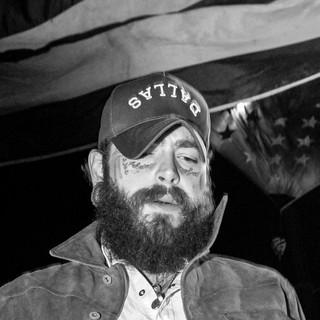
Post Malone lives at the melodic crossover of pop, rap and rock, and his beats lean on real guitar, dreamy reverb and simple drums far more than on busy production. The emotional, singable chord progression is doing most of the work, which is why Better Now and Circles feel huge off a loop you could play by a campfire. He plays guitar himself and said in a Hot Ones interview that he likes major chords, so the harmony tends to feel warm and open rather than dark. Better Now came from Frank Dukes and Louis Bell, and that team instinct shows: the guitar and pads carry the feeling while the drums stay pocketed and out of the way so the vocal can breathe. Get a heartfelt progression on a reverbed guitar, layer a glowing 808 under it and keep the drums simple, and your loop stops sounding like a stock demo and starts sounding like something Post Malone could actually sing over. Here is how the sound is built, step by step.
You do not need a finished beat to start. The Post Malone loops sit in step 1 and again at the bottom, ready to play.
There is no single tempo, so match it to the mood. Chill, melodic tutorials sit around 126 to 130 BPM, a dreamier and faster beat climbs all the way to 170, and a drum session built in the Louis Bell style ran at 106. A safe starting window for the classic melodic lane is roughly 120 to 140, and you push higher only when you want more bounce and energy. Because the feeling comes from the chords and the guitar, the tempo matters less than the progression.
The key can be major or minor, and major is a real signature here. Post Malone said in a Hot Ones interview that he likes major chords, and plenty of tutorials build warm, major leaning progressions to match, while others reach for C minor or the key of E. Turn on a scale highlight in your piano roll so every note stays in key, then keep the loop short and emotional. The goal is a progression that already sounds like a song before any drums arrive.
Start with a progression that feels like a hook on its own. A concrete example is the Better Now progression, which moves from C minor to F major, then A sharp major, a D sharp major seventh and D sharp major, so it blends minor and major for that bittersweet pull. A common beginner method is to write a row of root notes, listen until they already sound good together, then raise each note by a couple of steps into major or minor chords until the whole thing locks in. Keep it to a handful of chords and let them repeat.
Once the chords sit, add a small counter melody rather than a second busy part. Trace some of the notes inside the chords, give that line a little rhythm, and copy it an octave up on a second guitar or synth for width. Keep this layer simple, because the main progression and the vocal are what carry the emotion. The magic in this sound is restraint, so a clean four chord loop with one tasteful topline beats a cluttered arrangement every time.
Guitar is the heart of this sound, and it should feel played rather than programmed. Producers reach for sampled guitars like Ample Guitar TC, Musical Labs Real Guitar on an acoustic steel preset, or Nexus guitar presets such as Lone Cowboy, then use the strummer features to alternate strum down and strum up so it sounds human. Write real chord shapes, nudge the timing so it is not perfectly on the grid, and tweak velocities, because that small looseness is what sells a guitar as live.
Then drench it in space and warmth. Add generous reverb on the main guitar for that dreamy, open feel, layer a second guitar an octave up or detuned with a light chorus for width, and roll off the low frequencies on the layers so they stay airy and do not clash with the bass. For extra character, run a guitar through something like RC-20 Retro Color or a flanger and delay to add vintage grit and movement. The aim is an emotional, slightly lo-fi guitar bed, not a clean solo.
Around the guitar you want soft, atmospheric layers that glue everything together. Reach for dreamy pads and keys from Nexus, Omnisphere or an Analog Lab style bank, plus a Serum or Flex patch to reinforce the chords quietly in the background. Turn on portamento on a pad or lead so the pitch glides from one note to the next, which gives that smooth, floating transition heard across these beats. Keep these layers low in the mix so they add glow without fighting the guitar and the voice.
Treat the atmosphere as polish, not as another melody. A piano with reverb, a boys choir style preset or an organ pad can sit far back and simply fill the space between the chords. Boost a little high end with EQ so a pad cuts through gently, and cut lows off anything that does not need them so the low end stays clean for the 808. Layer a few of these quiet sounds and the beat suddenly feels wide and expensive even though nothing is doing much on its own.
The low end is a glowing sub more than an aggressive rage 808. Build or pick a clean 808, for Post Malone these have come partly from FKi, set its root note to your key so the piano roll matches your chords, and follow the root notes of the progression with a calm, slow rhythm rather than busy runs. Turn on portamento and slide the occasional note so consecutive bass notes bend into each other, and keep the pattern simple so it supports the vocal instead of distracting from it.
For a bigger, more polished low end you can stack layers like on Circles, where a slap or picked bass handles the character while two higher layers around the one hundred to two hundred hertz range make the bass audible even on phone speakers. EQ out the highs from the sub so it stays pure, add light compression or a limiter like Maximus so it does not clip, and sidechain the bass to the kick so the two never overlap. That keeps the low end huge and clean at the same time.
Keep the drums simple and let them groove, because the emotion lives in the chords and the vocal. Start with a basic kick and snare or clap pattern, then add hats and listen for the rhythm before you commit. Louis Bell style programming leans on feel over grids: nudge sounds slightly off the grid for pocket, vary the velocities so hats and claps sound human instead of machine made, and layer a rim or a second snare to add texture and punch where the track needs it.
Build detail with hats and little accents rather than heavy fills. Scatter triplet hats, change the pitch of individual hats for movement, and add quiet perks or ghost notes that your ear barely catches but your body feels. Layer a short, punchy top kick over a subbier kick so it cuts through, and on some beats pitch the snare down so it sits softer. Then treat arrangement as part of the drums, bringing the kick and 808 in and out so the beat breathes and builds toward the chorus.
The whole vibe is warm and roomy, so reverb and vintage color do the heavy lifting. Put reverb on the guitar, the pads and often the snare so everything feels like it is in one dreamy space, and reach for lo-fi tools like iZotope Vinyl and RC-20 Retro Color to add tape warmth, wobble and a touch of noise. Cutting the low and high extremes on background parts keeps the mix clean, which matters because this sound reads as polished rather than raw.
Then carve space so each part is heard. Sidechain the bass and the pads to the kick so the low end ducks every time the kick hits, use a tool like a frequency specific sidechain to pull guitar lows out of the way when the 808 plays, and keep the drums fairly loud so they pierce through the wall of guitars and pads. Mix at a comfortable volume and trust your ears, since many producers in this lane level and balance by feel rather than by staring at meters.
Once the guitar, the glowing 808 and the simple drums sit together, the hardest part of the sound is done. The part that eats the most time is that heartfelt, singable guitar progression, so instead of fighting the piano roll for an hour you can grab a free hand-played loop in exactly this melodic guitar lane, drop it straight into your session, and build the pads, the 808 and the drums around a progression that was actually performed.
Every loop on ndacompany.de is hand-played by real producers, free to download and never AI generated, so you can audition ideas fast and keep the ones that spark something. There is no login wall to hear them, and a free account simply lets you save your favorite loops and come back whenever inspiration hits, so your next Post Malone type beat starts with a real idea instead of a blank arrangement.
Pick a loop and drag it into your DAW. 808 under it, clap on top, your first Post Malone beat is running.
All Post Malone loopsTempo, key and mood of the Post Malone loops, straight from our catalog.
| Loop | BPM | Key | Vibe |
|---|---|---|---|
| Chosen | 140 | Cmin | Sad |
| Kaliber | 110 | Fmin | Ambient |
| Mandarine | 130 | Ambient, Sad | |
| Freshend | 148 | Amin | Ambient, Sad |
| Creation | 105 | C#min | Ambient |
| Chase | 126 | Ambient, Sad | |
| Walross | 140 | Ambient |
There is no fixed tempo. Chill, melodic tutorials sit around 126 to 130 BPM, a dreamier faster one reaches 170, and a Louis Bell style drum session ran at 106. A good starting window is roughly 120 to 140 for the classic melodic lane, faster when you want more energy.
Both major and minor work, and major is a signature since Post Malone said he likes major chords. The Better Now progression blends them, moving from C minor to F major, A sharp major and D sharp major. Keep it to a few emotional chords that already sound like a song before the drums arrive.
Use a sampled guitar like Ample Guitar TC, Musical Labs Real Guitar or a Nexus guitar preset, write real chord shapes and strum down and up for a human feel. Then drench it in reverb, roll off the lows on any layers and add vintage color with RC-20 Retro Color for that dreamy, slightly lo-fi guitar bed.
Pick a clean, glowing 808, set its root note to your key and follow the root notes of your chords with a calm rhythm and the odd portamento slide. For a Circles style low end, layer a character bass with two higher layers around one hundred to two hundred hertz, EQ out the highs on the sub and sidechain the bass to the kick.
Simple and pocketed. A basic kick and snare or clap, triplet and pitched hats, a rim or second snare for texture, and a layered top kick for punch. Nudge sounds off the grid and vary velocities for a human feel in the Louis Bell style, keep the drums loud, and use arrangement to make the beat breathe.
You can download free hand-played loops in this melodic guitar lane on ndacompany.de and build your beat around them. The loops are never AI generated, there is no login to listen, and a free account just lets you save your favorites and return anytime.
They are not royalty-free. Free in your own beats; a 50/50 publishing split with NDA Company applies to every commercial release. License Terms
About NDA · All Artists & Genres · Free Loop Kits · Guides · Free Type Beat Loops · Loops by BPM & key · Splice Alternative
Nothing that fits?
All Post Malone loops