
Updated 30 Oct 2026
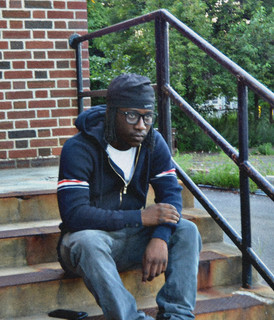
A Blackedy type beat does not chase the usual sad guitar. It leans warm, a little vintage and almost hopeful: a guitar and choir loop that sounds lived in, a punchy 808 underneath and hi-hats that keep the bounce. Blackedy, the rapper Marcus Black who came up through short Instagram and TikTok clips, sits melodic and autotuned on top, so the beat stays open and bright instead of heavy. The whole thing lives or dies on the loop, so that is where this guide spends most of its time, and the free loops below are built for exactly this sound.
You do not need a finished beat to start. The Blackedy loops sit in step 1 and again at the bottom, ready to play.
Most of these loops land between 106 and 140 BPM, and the bulk sits around 125. That is a relaxed, mid tempo, not a race, which is what gives the beat its easy, melodic feel. If you are unsure, start at 125 and only move once the vocal pocket tells you otherwise.
The key is mostly minor, but the trick here is a warm, major flavoured minor rather than a mournful one. Take the key straight from your loop and park the 808 and the melody on the same root so nothing fights. If you do not know the key, name the lowest guitar note that keeps repeating and tune the 808 to that.
Tempo and feel are not the same thing. A beat at 125 can still feel slow if the hats are sparse and the loop breathes, so judge the vibe by the space in the arrangement, not only by the number on the transport bar.
The loops in step 1 stream right here and the mp3 is free. Then work through the six steps.
This sound stands or falls with the guitar. A clean, slightly dusty tone, a simple progression, a choir pad behind it for air. Pretty is allowed here, the beat is meant to feel good, not sad.
Keep the loop dry and let it breathe. One guitar, one choir layer, maybe a piano doubling the top notes is plenty. The space between the notes is part of the sound.
A four chord loop that comes back every four or eight bars is usually enough. Repetition is a feature here, because the rapper needs a stable bed to sit on, so resist the urge to keep moving the chords around.
Let the choir sit a touch behind the guitar in the mix, not on top of it. It should read as air and warmth around the guitar rather than as a second lead fighting for attention.
A lot of beats in this lane start from a sample flip rather than a played part, and the warm, aged tone is a big reason why. If you want to build the loop yourself, pull a short two to four bar phrase of guitar or vocal, loop it clean on the bar, and let that become the backbone.
Chop the phrase on transients so each slice starts on a note, then rearrange the slices into a simple new order. Even keeping the same chords but changing which slice lands on beat one can turn a sad source into the brighter, hopeful feel this sound wants.
Pitch the whole sample up a couple of semitones if it drags, or time stretch it to your tempo. Keep one copy of the original pitch so you can always compare, because stretching too far thins the tone out and you lose the warmth you started with.
If you would rather skip sampling clearance and chopping altogether, the hand-played loops below already give you that warm starting phrase, in key and on the bar, so you can go straight to drums.
A short tape or vinyl texture under the loop goes a long way: a hair of saturation, a touch of wow and flutter, some crackle low in the mix. It reads as warmth, not as an effect.
Roll a little top end off the guitar and nudge the mids up. A loop that is too crisp sounds modern and clinical, which is the opposite of the vibe you want here.
Try a slow, shallow lowpass filter that opens up over the first four bars. That gentle lift at the top of the loop gives the intro a lived in, fading in feel before the full tone arrives.
A short plate or room reverb on the guitar glues it to the choir, but keep the decay tight. Long, washy reverb is what tips this sound back towards cold and sad, so use just enough to put the parts in the same space.
Keep the 808 pattern simple and let it slide between a couple of notes rather than playing a busy bassline. A glide or portamento between two or three notes of the loop key is the melodic rap signature, and it keeps the low end singing with the guitar.
Watch the length of each 808 note. If it rings into the next one the low end turns muddy, so trim the tails or lean on the cut itself setting so only one note sounds at a time.
The hats carry the groove more than the kick does. Program straight sixteenths, then mute a few and swing the rest a little so it breathes, and place a roll or triplet burst only in the last bar before a section change.
The kick is there to add attack to the 808, not to be heard on its own. Line it up with the first hit of the 808 pattern and keep it low in the mix so the two read as one punch.
16 bars as the hook with the full loop, then a verse where you pull one melody layer out completely and simplify the 808 so the voice has room.
Build a bridge with a real change: a different guitar line, stretched chords or a second melody on top. Coming back into the hook, let the drums land one bar late so the drop hits harder.
Leave an intro of four to eight bars with just the loop and maybe light hats. It gives a rapper somewhere to come in and it is the part most people hear first when they scroll past a beat online.
Mark the sections with small moves, not big ones: a reverse cymbal into the hook, a single open hat on the last beat of a verse, the choir dropping out for one bar. Those tiny signals keep a simple arrangement from sounding flat.
Forcing it dark. The whole point of this one is the bright, warm colour. If you bury it in a cold reverb and a distorted 808 you have just made another sad beat.
Over layering the melody. A couple of clear sounds carry everything. Every extra pad or counter melody after that only clouds the guitar you picked for its tone.
Leaving the lows in every track. High pass the guitar, choir and piano so the 808 owns the bottom on its own, otherwise the low end turns to mud.
Overcooking the vintage effects. A little tape and crackle is warmth, but pile on too much and the loop sounds broken instead of aged, and the detail that made you pick it disappears.
None of the steps above depend on the DAW. You need a sampler for the 808, an EQ, a reverb and some kind of saturation, nothing more.
FL Studio: the 808 goes in a sampler channel with cut itself on and a little saturation in the channel. Draw the hats and rolls with the paintbrush, and put a vintage tape or vinyl plugin on the melody bus. For a sample flip, slice the phrase in Edison or the Slicer and drop the slices onto the piano roll to reorder them.
Logic: Quick Sampler for the 808, set to mono, pull the hold up in the amp envelope. Step Sequencer for the hats, one bus for all melody tracks with a Channel EQ and a reverb, plus a tape saturation for the warmth. Flex Time or a Quick Sampler in slice mode handles the sample chopping.
Whatever DAW you use, bus all the melody parts to one group and do the vintage colour and the high pass there once, rather than on each track. It keeps the tone consistent and makes the loop easy to turn down under the vocal later.
Every loop here is played by hand, no AI, and free as an mp3.
The loops below are tagged for this sound, so you can start from a warm guitar and choir phrase that is already in key and on the bar and go straight to laying the 808.
Pick a loop and drag it into your DAW. 808 under it, clap on top, your first Blackedy beat is running.
All Blackedy loopsTempo, key and mood of the Blackedy loops, straight from our catalog.
| Loop | BPM | Key | Vibe |
|---|---|---|---|
| Lässig | 110 | Ambient, Vintage, Melodic | |
| Will You | 111 | C#min | Ambient, Hyper, Vintage, Floating |
| Torch | 140 | C#min | Ambient, Happy, Virtual |
| Rado | 140 | Amin | Ambient |
| da | 130 | Dmin | Happy, Hyper, Virtual, Ambient |
| Hi | 104 | Fmin | Ambient, Happy, Sad |
| Dolar | 110 | C#min | Ambient, Virtual |
| Spielgeld | 107 | C#min | Vintage |
| 100K | 111 | Emin | Ambient, Vintage |
| Lineup | 105 | Ambient, Happy |
Usually 106 to 140 BPM, the bulk sits around 125. A relaxed mid tempo, not a fast one.
Mostly minor, but a warm, bright minor rather than a mournful one. Easiest is to take the key from your loop.
The warm, slightly vintage guitar tone and the open, hopeful mood. Keep it bright, add tape colour, and do not drown it in cold reverb.
Guitar and choir for the melody, a piano to double the top if you like, and under it an 808, hi-hats and a clap.
Yes, and it is a step of its own: move the whole melody group one or two semitones and keep the brightest position. The 808 follows to the new root.
No. A lot of beats in this lane start from a sample flip, but a played guitar and choir loop works just as well. The free loops below give you that warm phrase ready to go, so you can skip the chopping.
Keep it simple and let it glide between two or three notes of the loop key. Trim the note tails or use a cut itself setting so the notes do not overlap and muddy the low end.
Yes, every loop is a free mp3. Not royalty-free: a commercial release means a 50/50 split with NDA Company.
They are not royalty-free. Free in your own beats; a 50/50 publishing split with NDA Company applies to every commercial release. License Terms
About NDA · All Artists & Genres · Free Loop Kits · Guides · Free Type Beat Loops · Loops by BPM & key · Splice Alternative
Nothing that fits?
All Blackedy loops