
Updated 30 Oct 2026
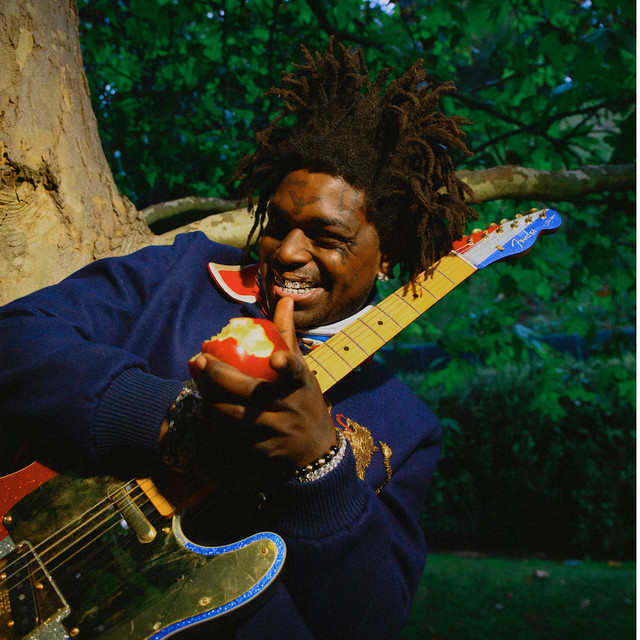
Kodak Black built his sound on emotional, melodic Florida trap, and the beats under his voice are deceptively simple. There is a vintage, slightly worn texture over a small minor progression, a heavy half-time pocket and almost no clutter. The thing most producers miss is restraint. A Kodak Black type beat leans on a two chord loop, a real guitar or piano and a lot of space, then earns its feeling from the sounds and the playing rather than a busy arrangement. Get that balance right and your loop stops sounding like a preset demo and starts sounding like something he could actually rap on. Here is how the sound is built, step by step.
You do not need a finished beat to start. The Kodak Black loops sit in step 1 and again at the bottom, ready to play.
Tempo is all over the place on these beats, and that is kind of the point. One producer writes at 158 BPM, another works around 95 BPM but notates the project near 180 to 195 so the groove reads as half time, with the clap landing on the three instead of the two. Pick a tempo you can actually rap over, then let a half-time feel pull everything into that slow, heavy Florida pocket.
The key is almost always minor. Tutorials recreating his sound reach for E minor, F sharp minor and D sharp minor, and the note that keeps coming up is that the exact scale matters less than staying minor and keeping things simple. Start in a minor key, write a short loop, and let the mood come from the sounds and the playing instead of constant movement.
Keep the progression tiny. Producers building these beats often sit on a two chord progression, something like a one chord moving up to a four, and let a top melody do the rest. Plain triad chords are enough, and you do not need constant changes to sound like him. Build the chords, lift them up an octave for a sweeter, more melodic feel, then copy the root notes down an octave for weight.
The emotion comes from small tweaks. One common trick is to drop the middle note of a triad by a step on every other chord so it creates tension, or to borrow a note that climbs into the chord. Play with your velocities so the top line sits slightly behind the chords, and keep the chords as the main focus while filler notes decorate the gaps.
Vintage, slightly out of tune textures are a signature. A nylon guitar, strummed and humanized, sits at the center of the more melodic, ethnic flavored beats, while a quality piano or a Wurlitzer electric piano carries the emotional ones. Reach for real, played sounds like Keyscape or Kontakt pianos rather than stock presets whenever you can, because that is what gives the beat its human character.
Layer around that core. Stack strings or a violin, soft pads sitting in the back to give the beat its environment, bells for the high end and ear candy like a harp, a flute or a sitar for an ethnic edge. For low end, many of these beats use a plain 808 following the root notes, but one famous record swapped the 808 for a deep reggae bass, so do not be afraid to layer the low end or replace it entirely.
The drums are simple and heavy. Start with an 808 that follows the root notes of your melody and slides up where the progression moves. Put a Luger style clap or snare on the backbeat, and because so many of these beats are half time, that clap often lands on the three rather than the two, which is exactly what gives them their slow, dragging bounce.
Hats carry the groove. A basic two step pattern with a few fast rolls and the odd open hat is enough, and busy, detailed hats are what drive the percussion. Add a crash on every bar as ear candy, play your snare rolls with varied velocities so they breathe, and on the kick a touch of overdrive distortion and an exciter adds punch. Keep it sparse, because most of his beats are deliberately simple.
The grainy, vintage character mostly comes from one plugin move. Producers drench the melody in an RC20 style effect for noise, wobble and light distortion, then clean it back up with an EQ that cuts the lows and low mids. A tape or vinyl wobble on the guitar is what sells that old, worn feel more than any chord choice does.
Reverb does the rest. A Valhalla vintage verb on the melodic parts adds depth and space, and a second EQ after the reverb trims the low end so the reverb tail never muddies the mix. Humanize every played part with a randomizer so the timing and velocity are never perfectly on the grid, because that small imperfection is what makes a part sound performed instead of clicked in.
A pitched vocal chop is an easy way to add soul. Drop a sample into something like Arcade, set it to half speed so it drags with the beat, then pitch it down and tuck it under the melody with plenty of reverb so it reads as atmosphere rather than a lyric. Keep one version pitched down and one left alone so you can swap between them per section.
Treat every extra sound as a one percent detail. A flute line for a hook, a reversed note, a single bell hit in an open gap, a harp run into a transition. None of these carry the beat on their own, but together they build the emotional, lived in world his production is known for. Knowing when to stop is the real skill, so pull a sound back out if it is not adding feeling.
Arrangement is where a loop becomes a beat. Bounce your melody to a loop, then build an intro with just piano and bass, bring in the full melody and drums for the hook, and strip back to the electric piano for the verse so the vocal has room. Move your 808 and hats up an octave into each new section instead of leaning on heavy transition effects, and that movement alone keeps it interesting.
You can also push the beat to a climax. On the melodic, ethnic beats a sitar, a staccato flute and some tabla percussion add that flavor, while one classic record brought in a Lex Luger style trap horn to lift the whole thing. Add one of those big moments, keep every other sound in its own space so the mix stays open and three dimensional, and let the drums do most of the work between sections.
Once your chords, guitar and vintage texture sit together, the hardest part of the sound is already done. Instead of hunting for samples that never quite match that emotional Florida trap feel, grab free hand-played loops in exactly this lane, drop them straight into your session, and build your beat around a progression that was actually performed rather than drawn in with a mouse.
Every loop on ndacompany.de is hand-played and free to download, with no login to grab one and no AI anywhere in the process. Create a free account if you want to save your favorite loops and come back to them whenever inspiration hits, so your next Kodak Black type beat starts with a real idea instead of a blank arrangement.
Pick a loop and drag it into your DAW. 808 under it, clap on top, your first Kodak Black beat is running.
All Kodak Black loopsTempo, key and mood of the Kodak Black loops, straight from our catalog.
| Loop | BPM | Key | Vibe |
|---|---|---|---|
| 1 Million | 158 | Cmin | Ambient, Sad |
| Finess | 140 | G#min | Dark |
| Beetlejuice | 127 | Amin | Ambient |
| Gasoline | 140 | C#min | Happy |
| Flooding | 146 | Emin | Ambient, Happy |
| Star | 125 | F#min | Ambient, Happy |
There is no fixed tempo. One tutorial uses 158 BPM, another works around 95 BPM but writes the project fast near 180 to 195 so it reads as half time, with the clap on the three. Pick a tempo you can rap over and let the half-time feel slow it down.
Minor. E minor, F sharp minor and D sharp minor all show up in tutorials. The exact scale matters less than staying in minor and keeping the progression simple.
Small progressions, often just a two chord loop like a one moving to a four, built from plain triads. Dropping the middle note of a triad by a step on every other chord adds the tension that makes it feel emotional.
A simple, heavy setup: an 808 following the root notes, a Luger style clap or snare on the backbeat that often lands on the three in half time, busy two step hats with rolls and open hats, and a crash on every bar. A little overdrive and exciter on the kick adds punch.
Vintage nylon guitars, a quality piano or Wurlitzer electric piano, strings, soft pads, bells, and ear candy like harp, flute or sitar. The low end is usually a plain 808, sometimes swapped for a deep reggae bass.
You can download free hand-played loops on ndacompany.de in this emotional Florida trap lane and build your beat around them, with no login and no AI. A free account lets you save your favorites and come back anytime.
They are not royalty-free. Free in your own beats; a 50/50 publishing split with NDA Company applies to every commercial release. License Terms
About NDA · All Artists & Genres · Free Loop Kits · Guides · Free Type Beat Loops · Loops by BPM & key · Splice Alternative
Nothing that fits?
All Kodak Black loops