
Updated 30 Oct 2026
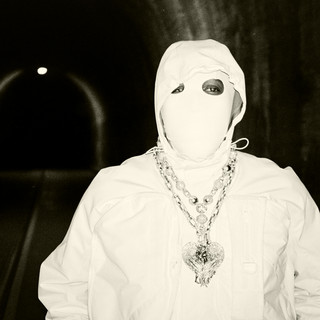
A Don Toliver type beat is psychedelic, melodic trap built for a sung hook. A choir, synth or glide pad floats in reverb, a punchy 808 pushes underneath and the hats carry a loose bounce. The whole arrangement is designed to leave a wide, airy space for the voice, the way Heaven or Hell and Octane do. The trick most producers miss is that the sound selection matters more than the melody, so you chase a vibe first and keep the notes simple.
You do not need a finished beat to start. The Don Toliver loops sit in step 1 and again at the bottom, ready to play.
A Don Toliver type beat runs 120 to 140 BPM in a minor key, with the bulk around 140 BPM, usually heard half time so the vocal can float. In the tutorials producers tend to land around 133 to 140 and feel it slow.
The key is mostly minor, think G minor or C minor. Easiest is to take the key straight from the loop and sit the 808 and the melody on the same root.
For a catchier, more Don Toliver progression swap the natural minor for the Phrygian. Same scale, you drop one note and gain the flat second, and the chords instantly sound darker and more hypnotic.
You make a Don Toliver type beat in six steps: pick a sound in minor at 120 to 140 BPM, lay the 808 on the loop root, program the bounce hats, add the clap and kick, bring in movement and accents, then arrange it. The loops in step 1 stream right here and the mp3 is free, then work through the six steps.
1. Pick a sound, not a melody. A choir, synth or glide pad in minor, 120 to 140 BPM, with air and reverb already in it. Browse presets with no melody in your head and keep the one that gives you the vibe, then grab a loop from the list below that already moves before any drums.
2. Lay the 808. On the root of the loop key, eight bars kept plain. Turn on the cut self group so the notes never overlap, then add saturation so it pushes. For the harder Octane side stack a second and even a third 808, each on its own cut group, and let a hard one trade off with a growl bass.
3. Program the bounce hats. Start with a two step and pull single hats back out so there are gaps, that space is where the bounce lives. Set the hat to note off so it cuts when the note ends, that is how you get the fast rolls and stutters cheaply, and lock the open hat to the 808.
4. Clap and kick. A hard clap or snare on 2 and 4, plus a quieter second layer panned to one side. Try removing or anticipating a single clap hit to open the groove, that is the classic Don Toliver drum move. The kick stays under the 808 and shares the low end with it.
5. Add movement and accents. Reverse a synth phrase and drop reverb on it to cap each eight bars, record odd synth runs through Edison so you catch the glitches a clean render would smooth out, and run a lead with glide that slides up and down under the melody. A glide pad built from two detuned sine waves with the pitch automated does a lot of the heavy lifting.
6. Arrange it. Keep it simple, 16 bars as the hook, a verse with one layer gone, then a bridge that switches to a different lead. Hook early and keep the space open for the sung vocal.
You mix a Don Toliver beat around the vocal before the vocal exists. The reverb tail on the pad, the gaps in the hats, the restraint on the melody, all of it leaves a wide room for a sung lead.
Don Toliver uses his voice as an instrument, so leave the high frequencies open and keep the melody from crowding that range. A quick way to test it is to render a simple acapella or a one word vocal, slice it in a sampler and chop a loop out of it, then build the top end around where the real voice will sit.
WondaGurl co-wrote No Idea on Heaven or Hell and sent the E1 soft clipper used on later records, and Mike Dean worked across the albums, known for his SM2 synth solos. The records lean on big reverbs and space rather than busy layering, so keep two or three clear sounds and let them breathe. Octane went harder, driven 808s and more hat movement, so push the 808 and tighten the hats but keep the airy top.
For the melody a choir, a synth and an electric piano are plenty, and most of these beats are built in Omnisphere, Arturia Analog Lab or Pigments. The emotion is in the chords, the preset and the reverb, not in stacking instruments.
Layer if you want, but do little in each layer. Clone one patch, move it an octave for a new frequency range, maybe reverse one, and glue the whole group with a touch of tape saturation. A subtle ping pong delay adds the swing without smearing the warmth.
High pass the melody so the 808 owns the bottom, and leave the midrange open for the voice. A pad sitting too loud in the mids is the fastest way to crowd a sung hook.
The position of the loop is not fixed. One or two semitones change the whole mood. Up the melody gets brighter and thinner, down it gets heavier and darker. The key moves with it, so pull the 808 to the new root afterwards.
When you design your own synth parts, record the weird ones through Edison instead of rendering. You catch timing errors and artefacts that a clean bounce removes, and those happy accidents are half the Don Toliver character. Pitch tools like uptime on top push it further.
Too much stacked up. A few clear sounds carry the beat, and once there is no standout melody or motif it just turns into noise. Every further layer after that only fills the space the voice needs.
No reverb, no air. The dreamy, psychedelic feel comes from space, a bone dry beat kills the whole mood.
Only other type beats as a reference. Those are built to rap on, listen to the real songs first and hear how much room they leave.
Every loop here is played by hand, no AI, and free as an mp3. Drop one in, lay your 808 on its root and you already have the psychedelic foundation for a Don Toliver type beat.
Pick a loop and drag it into your DAW. 808 under it, clap on top, your first Don Toliver beat is running.
All Don Toliver loopsTempo, key and mood of the Don Toliver loops, straight from our catalog.
| Loop | BPM | Key | Vibe |
|---|---|---|---|
| Nasty | 140 | Cmin | Dark, Hard, Virtual |
| Maiskolben | 140 | Bmin | Dark, Hard, Virtual |
| Daytime | 130 | F#min | Ambient |
| Aftersun | 120 | G#min | Ambient, Virtual |
| Malan | 138 | Gmin | Ambient, Happy, Virtual |
| Kxst | 140 | Amin | Ambient, Happy, Virtual |
| Patagonia | 120 | Amin | Ambient, Happy, Virtual |
| Quick | 140 | Cmin | Ambient, Virtual |
| Opulent | 140 | G#min | Ambient |
| Strato | 140 | D#min | Ambient, Virtual |
120 to 140 BPM, the bulk around 140 BPM, usually felt half time. Most producers land near 133 to 140.
Mostly minor, often G minor or C minor. Easiest is to take the key from your loop, or try Phrygian for a darker, catchier progression.
A choir, a synth or a glide pad and an electric piano for the melody, under it an 808, bouncy hats and a hard clap.
Omnisphere, Arturia Analog Lab and Pigments do most of the work. Browse presets for a vibe first, the exact melody matters less than the sound.
Space. The beat is arranged around a sung vocal, with big reverbs and gaps rather than busy layers.
Heaven or Hell with WondaGurl and Mike Dean, and the harder Octane with driven 808s and more hat movement.
Yes, every loop is a free mp3. A commercial release means a 50/50 split with NDA Company.
They are not royalty-free. Free in your own beats; a 50/50 publishing split with NDA Company applies to every commercial release. License Terms
About NDA · All Artists & Genres · Free Loop Kits · Guides · Free Type Beat Loops · Loops by BPM & key · Splice Alternative
Nothing that fits?
All Don Toliver loops