Updated 30 Oct 2026
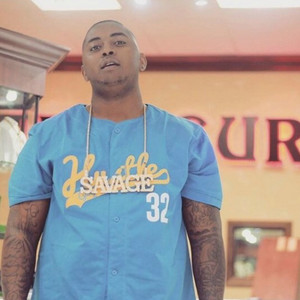
A D Savage type beat sits on the plugg side of trap: a slightly detuned synth or electric piano that sounds wonky on purpose, a punchy 808 and hi-hats that run hyper. D Savage came up on SoundCloud out of Los Angeles and his beats feel light and a little off rather than dark, so the melody carries the mood and the drums keep it moving. At its core sit a soft Rhodes or bell out of a plugg synth, a few chords strummed just off the grid so they breathe, an 808 tuned to the loop root and an open hat held out into the gaps.
You do not need a finished beat to start. The D Savage loops sit in step 1 and again at the bottom, ready to play.
A D Savage type beat runs 130 to 140 BPM in a minor key, with the bulk sitting around 140 BPM. The groove matters more than the exact tempo, so lock the loop first and let the drums set the energy on top.
The key is mostly minor. Easiest is to take the key straight from your loop and put the 808 and the melody on the same root. A common plugg move is to drop the bass note an octave below the chord root so the low end has room, since every plugg beat lives on that bass.
Do not quantize the chords dead to the grid. Play them in and strum them a touch loose, the small timing wobble is what gives the melody that off, hand-played feel.
You make a D Savage type beat in six steps: lock the loop and key in minor, put the 808 on the root, pick a bright, wonky plugg melody, program the clap and hyper hats, arrange it in bars, then pitch the sample. The loops in step 1 stream right here and the mp3 is free, then work through the six steps.
D Savage, born Dylan McCord, broke out of Los Angeles on SoundCloud in 2016 with 30 Round Clip and later put out D Phoenix, Trust No One and BPL. His lane runs between trap and plugg.
Plugg is the key word for the melody. The synths are kept light, bouncy and slightly out of tune on purpose, closer to playful than menacing.
That is why the mood tags here are happy and hyper and not dark. Lean into a wonky, bright melody and let the energy come from the drums, not from a heavy atmosphere.
For the melody a Rhodes, electric piano or a soft pad plus a bell layer with a little harmonic shimmer is the classic plugg move, kept a touch detuned. Producers reach for melodic synths like Pigments or a Prophet style lead and pick a bright, bell-like preset, then strum a simple chord progression and drop a counter melody or thin lead over it for movement. Keep the loop dry and let it breathe instead of burying it in effects.
Build the melody in blocks and copy a part over, then change only the top accent notes and let the bassline shift slightly underneath. That keeps it moving without writing a whole new progression every four bars.
A plugg vocal run or a vocal chop makes a beat feel unique. If a run sounds plain in the piano roll, export it and reload the audio, then process it with a granular plugin and a panning tool so it sits wide and a little strange. One-shot leads and pluck layers out of a kit work well sitting quiet in the background.
For the wet plugg texture on one-shots and plucks, crank the reverb wet almost to the max, stereo separate it, turn up the decay and add a phaser. Reverb and phaser together are what make those sounds glassy and saturated. Use it on the intro sound and the background pluck, not on everything.
The 808 carries the low end on its own. Tune it to the loop root first, follow the bass notes of the chords, set it to cut itself and give it some saturation so it pushes without a long effect chain. Slide notes on the 808 or on a bass one-shot add that plugg glide.
Clap and hi-hats hold the grid, and the hat pattern is what makes the beat sound unique and gives it bounce. A hard clap on two and four plus a double clap, then program the hats as a steady one step roll and take notes back out so it is not a solid wall. Turn down every other hat on the velocity so the roll breathes and bounces instead of machine-gunning. Hats run hyper with rolls and gaps for the open hat, and you can hold the open hat out across a gap by stretching one note instead of retriggering it.
16 bars as the hook, then the same thing as a verse with one track taken out completely and a simpler 808 pattern. The easiest way to arrange a plugg beat is to bring single sounds in and out rather than rewriting parts.
A bridge with a real change: a different lead, stretched chords or a second melody layer. Use automation to fade a processed vocal or an effect in on the second section so the energy lifts. Coming back into the hook, let the drums arrive one bar late.
The position of the loop is not fixed. One or two semitones change the whole mood.
Up the melody gets brighter and thinner, down it gets heavier and darker. The key moves with it, so pull the 808 to the new root afterwards.
Too much stacked up. A few clear sounds carry the whole beat, every further layer after that only takes up room. The drums especially stay simple, the bounce comes from the hat velocities, not from a busy pattern.
Making it dark. The plugg side is light and bouncy, so a wonky bright synth fits better than a brooding pad.
Quantizing everything stiff. The chords and accent notes are meant to feel strummed and a little off, so hard quantizing kills the plugg feel.
Only other type beats as a reference. Those are built to rap on, the originals sound different. Listen to the real songs first.
Every loop here is played by hand, no AI, and free as an mp3. Pull one in, take the key off it, and the melody work above is already done, so you can go straight to the 808 and the hats.
Pick a loop and drag it into your DAW. 808 under it, clap on top, your first D Savage beat is running.
All D Savage loopsTempo, key and mood of the D Savage loops, straight from our catalog.
| Loop | BPM | Key | Vibe |
|---|---|---|---|
| Malan | 138 | Gmin | Ambient, Happy, Virtual |
| Kxst | 140 | Amin | Ambient, Happy, Virtual |
| Doublecup | 140 | Fmin | Ambient, Happy, Vintage, Virtual |
| Layer | 130 | Fmin | Ambient, Happy, Hyper, Virtual |
| Mirrorshape | 140 | Gmin | Ambient, Virtual |
| Diamondstones | 140 | Dmin | Ambient, Happy, Virtual |
| Aventador | 140 | Bmin | Ambient, Happy, Virtual |
| Malha | 140 | Cmin | Ambient, Happy, Virtual |
| Free Tags | 140 | D#min | Ambient, Floating, Happy, Virtual |
| Dragon | 140 | Fmin | Ambient, Virtual |
130 to 140 BPM, the bulk sits around 140 BPM. The groove matters more than the exact tempo.
Mostly minor. Easiest is to take the key from your loop and tune the 808 to the same root.
A light, bouncy, slightly detuned synth melody strummed a little off the grid, plus hyper hats that bounce. It feels playful rather than dark.
For the melody a Rhodes, pad or bright synth and a soft bell, kept a touch detuned, with a thin counter lead over the top. Under it an 808 tuned to the loop root that follows the chords, hyper hi-hats and a hard clap.
Program a steady one step roll, take some notes back out and turn down every other hat on the velocity. Leave gaps and stretch the open hat across them. The hat pattern is what makes the beat sound unique.
Yes, and it is a step of its own: move the whole melody group one or two semitones. The 808 has to follow.
Yes, every loop is a free mp3. Not royalty-free: a commercial release means a 50/50 split with NDA Company.
They are not royalty-free. Free in your own beats; a 50/50 publishing split with NDA Company applies to every commercial release. License Terms
About NDA · All Artists & Genres · Free Loop Kits · Guides · Free Type Beat Loops · Loops by BPM & key · Splice Alternative
Nothing that fits?
All D Savage loops