
Updated 30 Oct 2026
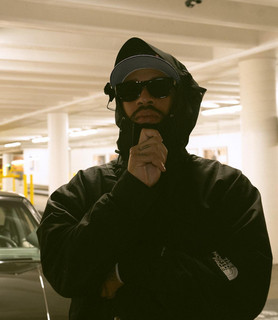
Larry June lives in a smooth, groovy, bouncy West Coast lane next to names like Cardo, and the production is all about warmth and feel rather than busy arrangements. The beat has to sound like summertime, like washing the car or chilling at the beach, so everything stays laid back and open. The melody leans on soft retro keys and minor ninth chords, the bass stays round and simple, and the percussion does a lot of the talking, especially the cowbell. The trick most producers miss is how human it all has to feel. These beats are played in by hand, not stiffly quantized, and the arrangement is kept open on purpose so a rapper has room to sit on it. Get the keys warm, the chords jazzy, the groove relaxed and the cowbell in the right pocket, and your loop stops sounding like a stiff preset demo and starts sounding like something Larry June could actually ride. Here is how the sound is built, step by step.
You do not need a finished beat to start. The Larry June loops sit in step 1 and again at the bottom, ready to play.
Tempo sits slow and groovy. One FL Studio walkthrough calls 92 BPM the best spot and gives a range of 88 to 95 BPM, another producer sets up right on 92, and a third says the lower 90s sound the most like Larry June, often sitting at 90. Pick a tempo in that window and let it breathe, because the energy here comes from the bounce and the pocket, not from speed. At this pace the drums can stay sparse and the keys can ring out without the beat ever feeling rushed.
The key is minor, and the chords are almost always minor ninths. Larry June's own producer Foley says he barely uses music theory and mostly just plays chords he likes, but that they are almost always minor ninth chords because Larry usually raps over minor ninths. One tutorial lays the whole thing out in F sharp minor with a minor ninth chord as the foundation. Keep the progression short and let those lush ninth chords carry the mood rather than chasing constant movement.
Start with lush minor ninth chords on a warm electric piano. Play them in by hand rather than clicking them, keep the voicing jazzy, and copy the first chord over to build the progression, then move a single note on the second chord for variation instead of rewriting everything. In one funky example the first chord is an F sharp minor ninth, then it is dropped down about seven semitones with one note shifted to the bottom so the one chord hits a little differently.
The flavor comes from small tension notes. If you want something beautiful but with a little darkness, take a normal pretty chord and drop in a couple of notes that sit right next to each other, a semitone apart. That tension does not ruin the beauty, it just adds emotion. You can even keep a note that falls slightly out of scale between two halves of a progression, because that little imperfection makes the loop feel human instead of perfectly in key. Layer a second key sound under the first to fill the chords out and keep them warm.
Warm, retro key sounds are the heart of this style. Producers reach for electric pianos and Rhodes out of Keyscape, vintage keys out of Omnisphere, and DX style synths for that old-school shimmer, then layer two key sounds together so the chords feel full. Vintage organs out of Kontakt, pads out of Omnisphere or a West Coast library, and bright bells out of Analog Lab, Triton or Zenology all sit nicely in this lane. Keep everything smooth and slightly nostalgic, like it belongs on a sunny afternoon.
On top of the keys, add melodic toppings that sing. A tenor sax is often the star of the show and reads as pure West Coast funk, strings can glue a progression together, and a soft sine or sync lead can ring out over the chords. A smart move is a Rhodes strum, where you copy the chords, offset the notes so they do not all land on the grid, and let them roll out like a real strum. Keep most parts gentle and leave space, because the beat should feel open, not crowded.
The bass stays round, warm and simple. A Rickenbacker bass out of Kontakt is a classic choice for this funky sound, and synth basses like the Alpha Bass out of Zenology or a bass preset out of Omnisphere work just as well because they sit warm under the keys. For the core of a bassline, three notes almost always work: the root, the fifth and the octave above. If you want to spice it up, add the ninth, which is simply the second note of the scale, as you move up toward the octave.
Keep it clean in the low end. One producer EQs the low end out of a first bass and layers a dedicated sub bass underneath, often in mono, so the lows stay tight and do not clash. EQ the other melodies to cut their lows too, so nothing turns muddy. As with the keys, let the velocities breathe instead of flattening every note, because a slightly uneven bass performance is a big part of why these beats feel played rather than programmed.
The cowbell is mandatory in this sound, and placement is everything. A reliable pocket is right after the four: if you count one, two, three, four, you drop the cowbell just past the four so it leads back into the next bar, then find a second spot by ear that bounces. Around it, add a triangle and even a reverse triangle for sparkle, plus a rimshot, a clap layered with a snare, a quiet kick and hi-hats with an open hat. Many producers build these out of West Coast focused drum kits.
Keep the drum pattern laid back and played by feel rather than technical. Lay the hats or percussion down first depending on the vibe, quantize gently so it stays on time without sounding robotic, and chase a nice bounce instead of a dense pattern. Brighten hats by cutting their lows with an EQ rather than boosting the highs, which keeps them crisp without getting harsh. The drums should support the groove and leave the keys and cowbell room to shine.
Play everything in and protect the feel. Larry June's producer plays his chords live rather than clicking them in, and across these tutorials velocity is treated as super important, because flattening every note is what makes a beat sound stiff. Quantize just enough to stay in time, but leave the little timing and volume differences that make a performance sound real. To fake a live instrument like a sax, draw an automation clip on the expression so it swells and dips as if someone were actually playing it.
Leave room for the artist. A common note in these sessions is to not overdo the arrangement, to keep it open enough for the rapper, and to resist piling on extra leads that would clutter the mix. A good workflow is to get all the melodies down first and then drum over them, keeping the best ideas and cutting anything that crowds the pocket. The goal is a warm, breathing loop that leaves space, not a wall of sound.
The mix stays clean, warm and vintage. A go-to effect chain across these tutorials is an EQ, an LA2A style compressor and Valhalla Vintage Verb, with a touch of delay on the leads and bells. Use the EQ to duck out the lows on most melodic parts so they do not pile up, and reach for a dynamic EQ to let a low-mid buildup duck out when the chords get busy. Tools like ProQ3, RC20, a Decapitator and a limiter show up for extra shaping and warmth.
Finish with gentle, tasteful touches rather than heavy processing. Several of these beats use almost no effects beyond reverb and EQ, letting the sounds speak for themselves. On the master you can add a little high end and a touch of low end for edge, but do it to taste. If you are exporting the loop for other producers, arrange it to around 16 bars, leave a spare bar, and drop markers labeled by sound using alt and T so whoever opens it can see exactly where to chop.
Once the warm keys, the round bass and the bouncing cowbell groove sit together, the hardest part of the sound is done. The part that eats the most time is playing in those lush, jazzy minor ninth chords with real feel, so instead of fighting the piano roll you can grab a free hand-played loop in exactly this smooth West Coast lane, drop it straight into your session, and build the bass, the drums and the cowbell around a progression that was actually performed.
Every loop on ndacompany.de is hand-played by real producers, free to download and never AI generated, so you can audition ideas fast and keep the ones that spark something. There is no login wall to hear them, and a free account simply lets you save your favorite loops and come back whenever inspiration hits, so your next Larry June type beat starts with a real idea instead of a blank arrangement.
Pick a loop and drag it into your DAW. 808 under it, clap on top, your first Larry June beat is running.
All Larry June loopsTempo, key and mood of the Larry June loops, straight from our catalog.
| Loop | BPM | Key | Vibe |
|---|---|---|---|
| Reaching Goals | 94 | Ambient, Vintage | |
| Oscar | 100 | D#min | Vintage |
| When the Leaves fall down | 98 | Ambient, Sad, Vintage | |
| Not yet | 92 | Ambient, Smooth | |
| Case | 85 | Ambient | |
| Intermission | 80 | Ambient, Sad | |
| Hold Stars | 90 | F#min | Ambient |
| Next to you | 100 | Ambient, Vintage | |
| Menge | 96 | Ambient | |
| Made a lot | 80 | Vintage, Ambient |
Slow and groovy. Tutorials put the sweet spot at 92 BPM with a range of 88 to 95, and one producer notes that the lower 90s, often 90, sound the most like Larry June. The energy comes from the bounce and the pocket, so the beat should feel relaxed rather than rushed.
Minor, and almost always minor ninth chords. Larry June's own producer says he mostly plays chords he likes and that they are nearly always minor ninths, because Larry usually raps over them. One tutorial builds the beat in F sharp minor with a minor ninth chord as the foundation.
Warm retro keys lead the way: electric pianos and Rhodes from Keyscape, vintage keys from Omnisphere, DX style synths, vintage organs, and bells from Analog Lab, Triton or Zenology. On top come pads, strings and often a tenor sax as the star melody.
A round, warm bass like a Rickenbacker out of Kontakt or a synth bass such as the Alpha Bass from Zenology. Build the line from the root, the fifth and the octave, and add the ninth to spice it up. Keep a tight sub underneath and EQ the lows clean so nothing gets muddy.
A laid-back pattern built around the cowbell, which is mandatory and often placed just after the four. Add a triangle, a reverse triangle, a rimshot, a clap layered with a snare, a quiet kick and hi-hats with an open hat, all played by feel and quantized gently so it stays human.
You can download free hand-played loops in this smooth West Coast lane on ndacompany.de and build your beat around them. The loops are never AI generated, there is no login to listen, and a free account just lets you save your favorites and return anytime.
They are not royalty-free. Free in your own beats; a 50/50 publishing split with NDA Company applies to every commercial release. License Terms
About NDA · All Artists & Genres · Free Loop Kits · Guides · Free Type Beat Loops · Loops by BPM & key · Splice Alternative
Nothing that fits?
All Larry June loops