Updated 30 Oct 2026
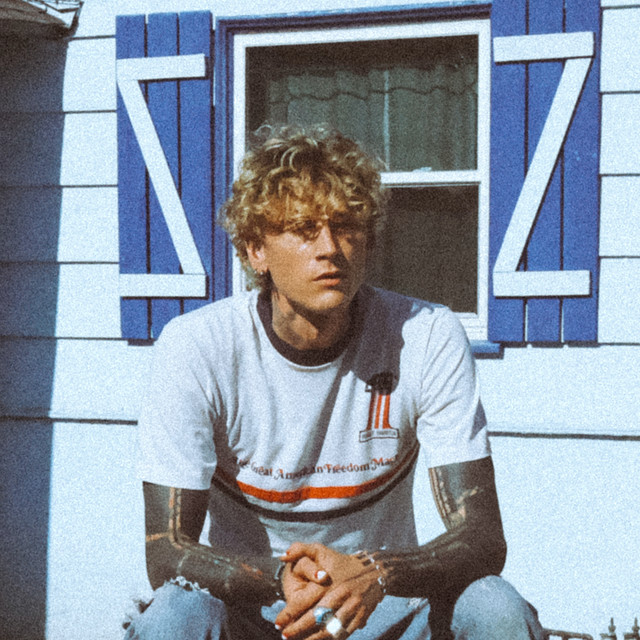
Machine Gun Kelly moved the center of pop punk back into the charts with his Travis Barker produced records, sitting next to artists like Jxdn, Mod Sun and the wider DTA lane. The sound is guitar first, louder and more polished than classic punk, and it leans on big, simple parts rather than clever ones. Most tutorials agree the composition is stripped down on purpose. It is normally a guitar lead, some rhythm guitars, a bass, drums and then stacked vocals, with nothing fighting for space. The trick most producers miss is that the energy comes from tone and performance, not from busy writing. Strummed power chords through a good amp sim, a snare that slams on the backbeat, Travis style fills into the chorus, and a mix that is loud without being harsh. Get the guitars and drums right and your loop stops sounding like a MIDI demo and starts sounding like something MGK could actually sing over. Here is how the sound is built, step by step.
You do not need a finished beat to start. The Machine Gun Kelly loops sit in step 1 and again at the bottom, ready to play.
Tempo sits fast. One tutorial builds its beat at 164 BPM, another sets the project to 170 BPM for that upbeat pop punk feel, and producers point out that punk lives across a wide range, from around 120 up to 180 BPM on the punkier end. Pick a quick tempo and let the strummed guitars and the snare drive the energy, because at this speed simple parts already feel urgent. If you want the modern crossover feel you can also build the beat at a slower trap tempo and let the guitars sit on top.
There is no fixed scale the way a trap melody locks to a key. These beats are built around guitar power chords, so the key really comes from the root you choose, and one tutorial simply runs a progression on a C and an E. Keep it to two or three chords with a bright, major leaning feel and let the performance and the tone do the work. Because the parts repeat, the mood comes from how hard you hit the strings and how the guitars are processed, not from constant harmonic movement.
Start with the guitar, because almost every tutorial begins there and builds everything else around it. You can play it live or draw MIDI guitar if you are still learning, then lay down your bass notes, turn them into chords and chop the strum into a rhythm with some bounce. A common move in FL Studio is to strum the chords, randomize the note velocity a touch, bring the overall velocity down and shorten the notes slightly, because real guitar notes do not ring forever. Keep the progression simple and let two or three chords repeat.
The sound lives in the amp sim and the layering. Producers reach for Guitar Rig 5 or 6, often the free trial, with a preset like All the Blink Things for that stereo Blink 182 tone, or push harder into Neural DSP Gojira for a hyper distorted single note rhythm. Track a clean or chimey lead, then double track a palm muted rhythm panned left and right to thicken it, and add a jangly counter melody on a lower gain Marshall style tone. Many producers even put a touch of auto-tune on aggressively picked guitars so the single note parts stay perfectly in tune under everything else.
The drums are acoustic and hard hitting, not trap kits. Producers load a Travis Barker style or acoustic kit from Splice, use the Logic Drummer for an instant live feel, or pull MIDI from a pop punk expansion like the Toontrack pack. Put the snare on the backbeat, the two and the four, and keep the kick fairly simple underneath. For a breakdown you can move the snare onto the three and strip the kit back, then open it up and make the pattern busier for the chorus so the sections clearly lift.
The detail that sells it is fills and movement. The drums should change through the arrangement rather than loop the same pattern, so drop fast fills and rolls at the end of the four or eight bar, and build a gnarly Travis Barker style tom fill to launch the chorus. When you mix, scoop the muddy low mids out of the kick and add click, shorten and heavily compress the snare, then add a touch of saturation, clipping and short room so it reads as polished and slappy rather than thin.
The bass glues the guitars and drums together and mostly follows the progression. If you do not have a real bass guitar you can use a plugin like MODO Bass by IK Multimedia, which has an alternate picking mode that recreates the chugging picked motion, or a Blink style Kontakt bass modeled after Mark Hoppus, or even the stock Liverpool bass in Logic. Play simple quarter notes on the root through the chorus to add intensity, and double the guitar rhythm in the verse for a tight, driving low end.
To get the Travis Barker pop bass sound, many producers lightly auto-tune the picked bass and run it through a warm amp like Parallax rather than a super crunchy metal tone. A clean picked bass can struggle to go very low, so a trick that works is to high pass the real bass around 120 hertz and blend a simple sub synth patch underneath for the deep low end. Keep the two layers balanced so the picked bass gives you attack and the synth gives you weight.
MGK sits on the bridge between pop punk and hip hop, so a lot of these beats mix modern trap elements with the live band sound. A clean way to do it is to start fully pop punk, then transition a section into trap drums, swapping the acoustic kit for a kick, hi-hat, clap and snare and dropping in a simple bass line or 808 underneath the guitars. That switch gives you the rap pocket while the guitars keep the punk energy.
On the vocal side the style is built on stacked, polished takes, often with heavy auto-tune, doubles panned hard left and right, and call and response lines in the pre chorus. Writers describe listening to the beat first and freestyling a melody before adding lyrics, which keeps the hooks catchy and simple. This is the same emo rap and pop rock lane as artists like Mod Sun, blackbear and nothing nowhere, so if the beat invites a melodic vocal, you are in the right place.
The whole vibe is big, loud and clean, so the mix matters as much as the writing. On the guitars, cut the low end to kill hum, roll off the harsh high sizzle and low pass the distorted parts, because amp sims push artificial high end that sounds brittle. Then tame harshness with a tool like Soothe and sidechain the guitar bus lightly to the kick and snare so the drums punch through without the guitars clashing with them.
On the drums, control the mids on the kick and add click for a slappy punch, then shorten, compress and saturate the snare hard before adding a touch of room so it stays tight but alive. A fast shaker loop playing sixteenth notes on top of a slower beat adds speed and motion. Finish with a simple master chain, a little EQ, some multiband control, a glue compressor and a limiter, aiming for loud and polished rather than destroyed. The goal is big organic sounds working together, not a wall of distortion.
Once the guitars, the drums and the bass sit together, the hardest part of the sound is done. The part that eats the most time is finding a guitar part that actually feels played, with the right strum and bounce, so instead of fighting MIDI guitar for an hour you can grab a free hand-played loop in this pop punk and emo lane, drop it straight into your session, and build the drums, the bass and the mix around a progression that was really performed.
Every loop on ndacompany.de is hand-played by real producers, free to download and never AI generated, so you can audition ideas fast and keep the ones that spark something. There is no login wall to hear them, and a free account simply lets you save your favorite loops and come back whenever inspiration hits, so your next machine gun kelly type beat starts with a real idea instead of a blank arrangement.
Pick a loop and drag it into your DAW. 808 under it, clap on top, your first Machine Gun Kelly beat is running.
All Machine Gun Kelly loopsTempo, key and mood of the Machine Gun Kelly loops, straight from our catalog.
| Loop | BPM | Key | Vibe |
|---|---|---|---|
| Lagos | 125 | D#min | Sad |
| You Lyin | 125 | Bmin | Ambient, Sad |
| Motions | 140 | F#min | Ambient, Sad |
| MINDBEND | 140 | Ambient, Sad | |
| Babyblue | 140 | Gmin | Ambient, Sad |
| Bottled Coke | 117 | Amin | Ambient, Sad, Vintage |
| Hotfix | 171 | C#min | Dark, Sad |
| Dirt | 119 | Happy | |
| In der Schwebe | 179 | Sad | |
| In Deep | 140 | Amin | Sad |
Tutorials build these beats fast, one at 164 BPM and another at 170 BPM, and producers note pop punk lives across a wide range from around 120 up to 180 BPM. Pick a quick tempo and let the strummed guitars and the snare carry the energy.
There is no fixed scale like a trap melody. These beats are built on guitar power chords, so the key comes from the root you choose. One tutorial runs a simple C and E progression, and it usually stays at two or three chords with a bright, major leaning pop punk feel.
Play power chords live or as MIDI guitar, then shape the tone with an amp sim like Guitar Rig 5 or 6, using a preset like All the Blink Things, or push into Neural DSP Gojira for a hyper distorted rhythm. Double track a palm muted part left and right, add a chimey lead, and low pass plus Soothe to tame the harsh high end.
Use an acoustic Travis Barker style kit from Splice or the Logic Drummer rather than a trap kit. Put the snare on the two and the four, simplify the kick, move the snare to the three for a breakdown, and drop fast fills at the end of the four or eight bar with a big tom fill into the chorus.
Start fully pop punk, then transition a section into trap drums with a kick, hi-hat, clap and a simple bass or 808 under the guitars. On vocals, use stacked, auto-tuned takes, doubles panned left and right and call and response lines, the same lane as Mod Sun, blackbear and nothing nowhere.
You can download free hand-played guitar loops in this pop punk and emo lane on ndacompany.de and build your beat around them. The loops are never AI generated, there is no login to listen, and a free account just lets you save your favorites and return anytime.
They are not royalty-free. Free in your own beats; a 50/50 publishing split with NDA Company applies to every commercial release. License Terms
About NDA · All Artists & Genres · Free Loop Kits · Guides · Free Type Beat Loops · Loops by BPM & key · Splice Alternative
Nothing that fits?
All Machine Gun Kelly loops