
Updated 30 Oct 2026
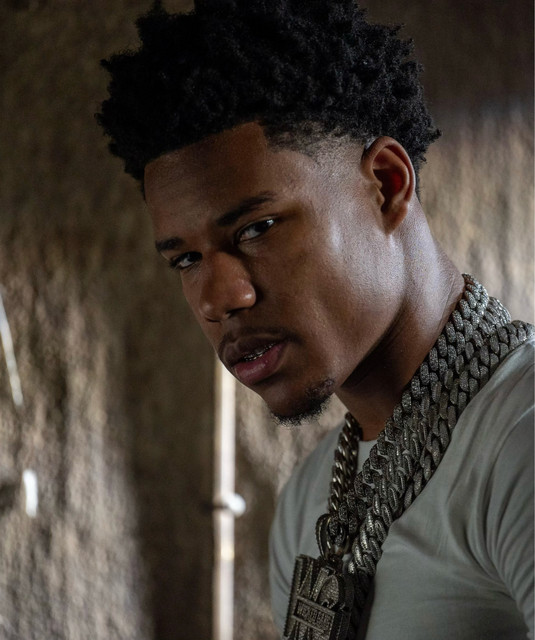
Nardo Wick sits in the dark, evil corner of trap, and his newer songs lean on a fast, hard piano melody that carries almost the whole beat. Producers who recreate his sound keep saying the same thing. The melody is doing the work, it is usually just two or three notes, and the magic comes from two notes sitting one semitone apart to create tension. The trap that catches most people is overloading the beat with accents and counter melodies until it sounds great to producers but leaves an artist no room to rap on it. Keep the melody simple and dark, flip it with effects until it sounds unique, drop a hard clipped 808 underneath and distort the drums, and your loop stops sounding like a clean preset and starts sounding like something Nardo Wick could actually jump on. Here is how the sound is built, step by step.
You do not need a finished beat to start. The Nardo Wick loops sit in step 1 and again at the bottom, ready to play.
Tempo sits fast. Across the tutorials the numbers land between 160 and 170 BPM, with several producers naming 165 or 166 as a value Nardo Wick uses a lot, and one tutorial even starting at 170 before pulling back to 165. Another producer sets 163 and says the point is simply to go fast, well over 140 or 150. Pick a tempo in that window and let the melody carry the energy, because at this speed the drums can stay simple and the beat still feels frantic.
The key is dark minor. Tutorials reach for F minor and F sharp scales, D minor and C minor, always chasing an evil, devilish mood. The move everyone repeats is placing two notes just one semitone apart, because that tight clash is what makes the sound so dark. Turn on scale highlighting in your piano roll so every note stays in key, keep the loop short, and resist the urge to write more. Most of these melodies are only two or three notes repeating.
Start with one simple, dark melody and keep it short. A common approach is to lay down a small minor chord, then move the top note or the root up one semitone so two notes sit right next to each other. Producers call this the thing that creates tension, and it is genuinely most of the idea. Do not be scared to keep it this simple, because these are the melodies that actually sound good and let an artist find a flow. A busy melody can impress other producers but leaves no space to rap.
Once the main melody sits, add bass notes rather than a second big melody. A recurring trick is dropping piano root notes under the sample, then reversing them and pitching them up an octave to add texture and low end character. If you want a counter melody, keep it tied to the pattern you already have instead of inventing a new one, because the main hook is already carrying the dark energy. The restraint here is the whole point of the Nardo Wick sound.
The signature is a fast, hard piano, and producers push it off center on purpose. One tutorial uses a piano with a chorus on it so it sounds a little different from a plain stock piano, and notes that the main melody sound is the most important thing in the beat. Beyond that, the palette is wide. Producers pull leads and pads from Electra X, Nexus 2, Xpand, Arturia Analog Lab, the SQ80 and CS-80, and the free stock plugin Poison when they want something unique without a paid synth.
Texture comes from bells, choir and strings. A repetitive, fast bell adds life to a sample, a short choir can sit as an accent, and a detuned violin or piano is a favorite for the intro to deepen the horror movie feeling. One producer frames it exactly that way, think about what you would add if you were scoring a horror film. Pan each element so the piano, bell and violin all get their own space, and keep the extra parts quiet so they color the beat instead of crowding the melody.
The flip is what separates a Nardo Wick beat from a clean preset demo. The plugin that comes up again and again is Portal, used to mangle and glitch the melody into something new, and producers call it their favorite tool for finding unique sounds. A free alternative mentioned is Fil Nish Micro for a pitched up delay. After flipping, many producers render the result so they can tweak it further, then run it through a fruity slicer to pitch shift or reverse individual slices for extra variation.
Layer effects to make the melody feel older and dirtier. The chain that shows up most is an EQ to cut the low end and remove clicks, reverb and chorus for depth, delay for movement, and tape emulation like RC20 or a free tape plugin with a worn preset to age the sound. Half time is used to slow a part down, and pan automation or a stereo shaper widens things out. Pitching a part with the pitch knob and then rendering in stretch mode gives that detuned, out of tune character that fits the Nardo Wick sound.
The 808 is where the beat gets its punch, and producers overwhelmingly reach for a Spinz 808, with one tutorial saying you will hear it in around ninety percent of these beats. Copy the root notes of your melody onto the pattern, then go a little crazy with the rhythm here and there, because Nardo Wick likes busy, chipped 808 patterns in places rather than one static note. Boost the 808 so it hits harder, and keep the written notes grounded in the key so the low end still reads as musical.
Then clip it. The standard move is a soft clipper on the master so the 808 never runs past zero, which lets you push its volume hard, in one case up to almost three decibels, without the master clipping out of control. One producer routes the 808 to its own clipping bus so the clipping does not smear the melodies. Distortion on the 808 is optional, one tutorial turns it off because the sound is already hard enough, so push it to taste and let the clipper do most of the dirty work.
Keep the drum pattern punchy but not cluttered. Several producers use a snare where a trap beat would normally use a clap, though a simple clap works too, and they lean on fast snare rolls to fill the turnaround, often going crazier at the very end of the loop so the repeat slams. For the hats, one third step rolls add bounce, and randomizing the pan and velocity across the hats and perks makes them sound more human and less crowded. Pick perks that are a little different to build a more unique groove.
The detail that makes the drums hit hard is a drum bus. Route every drum except the 808 into one bus and add distortion so the sounds blend together and read as harder and dirtier. On top of that, producers keep an EQ on the master that boosts a little low end and a little high end, and that high boost is what gives the drums their edge. Play the pattern by ear and chase bounce and balance rather than a technical grid.
Once the dark melody, the clipped Spinz 808 and the distorted drums sit together, the hardest part of the sound is done. The part that eats the most time is that fast, in key piano melody with the two semitone notes and all the flipping on top, so instead of fighting the piano roll you can grab a free hand-played loop in exactly this dark trap lane, drop it straight into your session, and build the Portal flips, the 808 and the drums around a progression that was actually performed.
Every loop on ndacompany.de is hand-played by real producers, free to download and never AI generated, so you can audition ideas fast and keep the ones that spark something. There is no login wall to hear them, and a free account simply lets you save your favorite loops and come back whenever inspiration hits, so your next Nardo Wick type beat starts with a real idea instead of a blank arrangement.
Pick a loop and drag it into your DAW. 808 under it, clap on top, your first Nardo Wick beat is running.
All Nardo Wick loopsTempo, key and mood of the Nardo Wick loops, straight from our catalog.
| Loop | BPM | Key | Vibe |
|---|---|---|---|
| Nonstop | 140 | Cmin | Dark |
| Karusel | 150 | Cmin | Dark, Virtual |
| Glockstation | 140 | Gmin | Dark |
| 2Glocks | 140 | Emin | Dark |
| Mixed Reality | 136 | D#min | Dark, Hard, Turned |
| Ribbon | 160 | Ambient, Dark | |
| Blockspinner | 150 | Dark, Hard | |
| Yessir | 140 | Cmin | Ambient, Dark |
| Sauced Up | 163 | Dark | |
| Triple | 159 | Dark |
Fast. The tutorials land between 160 and 170 BPM, with 165 or 166 named as values Nardo Wick uses a lot, and one producer setting 163 while saying the point is to go well over 140 or 150. The fast piano melody gives the energy, so the drums can stay simple.
Dark minor. Producers reach for F minor and F sharp scales, D minor and C minor, always chasing an evil, devilish mood. The signature move is two notes sitting one semitone apart to create tension. Use scale highlighting and keep the loop short.
Two notes placed just one semitone apart, repeated in a simple two or three note pattern. Producers keep the melody deliberately simple so an artist has room to rap, then flip it with Portal and age it with tape and reverb to make it unique.
Most producers use a Spinz 808, copy the melody root notes with a busy chipped pattern in places, and boost it hard. Put a soft clipper on the master so it never passes zero, or route the 808 to its own clipping bus, and distort to taste.
Often a snare in place of a clap, fast snare rolls at the end of the loop, one third step hats for bounce, and perks with randomized pan and velocity. Route everything except the 808 into a distorted drum bus and boost the highs on the master.
You can download free hand-played loops in this dark trap lane on ndacompany.de and build your beat around them. The loops are never AI generated, there is no login to listen, and a free account just lets you save your favorites and return anytime.
They are not royalty-free. Free in your own beats; a 50/50 publishing split with NDA Company applies to every commercial release. License Terms
About NDA · All Artists & Genres · Free Loop Kits · Guides · Free Type Beat Loops · Loops by BPM & key · Splice Alternative
Nothing that fits?
All Nardo Wick loops