
Updated 30 Oct 2026
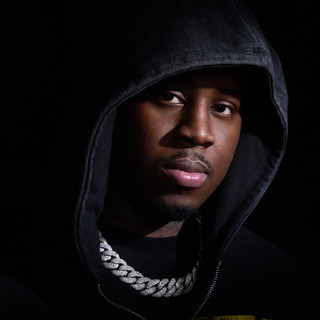
A Real Boston Richey type beat pairs Florida flows with Detroit-style trap production. The melody is dark and piano driven, often with strings for weight, and the bounce has that Midwestern swing. The usual trick is to change the chords but keep the same root as the bass note, so it moves without ever losing the centre. His delivery is tightly structured, charismatic with a cold edge, so the beat needs punch and space for punchlines, not clutter.
You do not need a finished beat to start. The Real Boston Richey loops sit in step 1 and again at the bottom, ready to play.
Most loops run 140 to 159 BPM, with the bulk around 140 BPM. That is uptempo trap, but the Detroit-style bounce keeps it from feeling rushed.
The key is mostly minor, which carries the dark, detached mood. Take the key from your loop and put the 808 and the melody on the same root. A common working move is to build in minor, then pitch the finished melody down a few semitones at the very end for a colder tone.
The loops in step 1 stream right here and the mp3 is free. Then work through the six steps.
What sets Richey apart is the mix: Florida slang and cadence over production with a Midwestern, Detroit feel. If you want the sound, the melody is where it lives, so build it dark and a little cinematic.
Detroit-style trap leans on swung hats and an 808 that moves, not a straight pattern. Give the 808 a few slides and let the hats breathe rather than running a constant roll. A trick a lot of his beats use is a short ghost note right before a roll, so the ear hears the roll coming and it lands harder.
His records like Help Me are piano driven, and his rhymes are tightly structured. Keep the beat uncluttered so the lyrics carry, one strong piano figure beats three competing melodies. On the piano itself pull the reverb back, widen it with a stereo tool and add a short delay, that is most of the processing it needs.
For the melody, piano, strings and choir are enough. Keep the piano dark and let the strings add weight behind it. Hold the strings on the root note and add one more an octave up at low velocity, so the tension sits there without the average listener noticing it. A choir built from two notes a semitone apart, both still in the scale, adds the same cold edge.
Bells are the other Detroit staple. A dark tubular bell that plays once every four bars, not on every 808, keeps it from sounding repetitive, and nudging it up a few semitones at one spot gives you variation for free.
A good extra move is to render a counter melody, reverse it and stretch it into a texture, then automate its panning from one side to the other so it drifts behind the beat. A chopped vocal with a touch of reverb and delay sits well in that same back layer, and automating half time to fade in turns one chop into a second melody.
The 808 carries the low end on its own. Keep it centred, cut itself plus saturation makes it push, and a couple of slides or a short roll give it the Detroit movement. If the sub and the 808 fight, automate the EQ so the sub ducks out while the 808 hits.
Clap and hi-hats hold the grid. A hard clap or snare on two and four, hats as a swung two-step with gaps for the open hat, and a snare roll that copies the 808 pattern so the two accent each other.
The position of the loop is not fixed. One or two semitones change the whole mood. Render the melody out before you move it, since some presets drift when they replay.
Up the melody gets brighter and thinner, down it gets heavier and darker, which usually suits his cold tone. The key moves with it, so pull the 808 to the new root afterwards.
A bright, happy melody. His lane is dark and detached, so keep the piano and strings on the cold side.
A straight, robotic 808 and hat pattern. The Detroit bounce comes from swing and slides, so loosen it up.
Filling every bar. The perc stacks and bells belong once every four or eight bars, not everywhere, so the artist keeps room to rap.
Only other type beats as a reference. Those are built to rap over, the originals are not. Listen to Public Housing or Richey Rich first.
Every loop here is played by hand, no AI, and free as an mp3. Pick a dark piano and strings loop and build your Real Boston Richey beat on it.
Pick a loop and drag it into your DAW. 808 under it, clap on top, your first Real Boston Richey beat is running.
All Real Boston Richey loopsTempo, key and mood of the Real Boston Richey loops, straight from our catalog.
| Loop | BPM | Key | Vibe |
|---|---|---|---|
| Monkeyball | 140 | Bmin | Dark, Hard, Virtual |
| Maiskolben | 140 | Bmin | Dark, Hard, Virtual |
| Selfish | 140 | Cmin | Dark, Vintage |
| Skype | 140 | Fmin | Dark |
| Shaper | 140 | D#min | Dark, Hard, Virtual |
| Buzz | 140 | Cmin | Dark |
| Hubraum | 155 | Gmin | Dark, Vintage |
| Holonyms | 140 | D#min | Dark |
| BIG RIMS | 143 | Gmin | Dark |
| Packet | 148 | A#min | Ambient, Dark, Virtual |
140 to 159 BPM, with most around 140 BPM. Uptempo trap with a Detroit bounce.
Mostly minor, for the dark, detached mood. Easiest is to take the key from your loop.
Florida flows over Detroit-style trap production: dark, piano-driven melodies with strings, swung hats and an 808 that moves. The chords change while the bass note stays on the root, which keeps the dark centre under everything.
Piano, strings and choir for the melody, plus a dark bell for the Detroit feel. Under it an 808, hi-hats and a hard snare or clap.
A heavy Lex Luger style 808 that cuts itself and has saturation, with a few slides for movement. A snare on two and four hits harder than a clap, and a snare roll that copies the 808 pattern makes the two accent each other.
Yes, and it is a step of its own: move the whole melody group one or two semitones, usually down for a colder tone. Render the melody out first so the sounds do not drift, and pull the 808 to the new root.
Yes, every loop is a free mp3. Not royalty-free: a commercial release means a 50/50 split with NDA Company.
They are not royalty-free. Free in your own beats; a 50/50 publishing split with NDA Company applies to every commercial release. License Terms
About NDA · All Artists & Genres · Free Loop Kits · Guides · Free Type Beat Loops · Loops by BPM & key · Splice Alternative
Nothing that fits?
All Real Boston Richey loops