Updated 30 Oct 2026
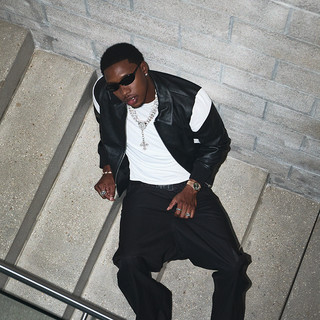
Rob49 is New Orleans Seventh Ward, and his beats carry the bounce DNA of the city, call-and-response, rhythm before melody, but filtered through trap and drill. He barks more than he sings, closer to Chicago drill, over menacing, low-end-heavy beats with simple, repetitive minor melodies. A Rob49 type beat is a dark piano figure, a hard sliding 808 and fast, aggressive drums that drive the whole thing, and the beat stays open so the vocal has room to bark into it.
You do not need a finished beat to start. The Rob49 loops sit in step 1 and again at the bottom, ready to play.
Most beats run 140 to 165 BPM, and a lot of producers sit at the top of that, around 160 and up, because the fast tempo and the aggressive hats are what drive the beat. The melody just sets the mood.
The key is minor, B minor, A sharp minor or D sharp minor come up most. A dark, repetitive piano figure sets the tone, not a rich progression. The trick most producers lean on is tension: take a simple minor triad and drop the middle note a half step, or stack two notes right next to each other a semitone apart, and the whole thing turns dark.
The loops in step 1 stream right here and the mp3 is free. Then work through the six steps.
1. Pick a sample. A dark piano or electric piano in minor, 140 to 165 BPM. Take one of the loops right below, one with a hard, simple figure that repeats. If you are building from scratch, Analog Lab and a clean piano preset get you there fast, and stacking two notes a semitone apart gives you that dark feel straight away.
2. Lay the 808. Hard, with glides between the root notes. The slides give it the aggressive, Detroit-leaning bounce, so draw the pitch bends in by hand. Program the 808 before the hats so the hats can lock to it.
3. Hi-hats on top. Fast, with rolls and stutters. Find the pocket between the 808 hits, alternate the pattern so it is not too repetitive, and pull the velocity down a touch on the rolls so they bounce instead of overpowering the beat. Open hats carry a lot of the drive, so place them deliberately.
4. Clap and kick. A hard snare on two and four, plus snare rolls for movement, and a punchy kick that locks to the 808. Keep it aggressive, this is a barked delivery, not a sung one. A lot of beats skip the kick and let the 808 carry the low end on its own.
5. Try the pitch. Only once the drums sit. Move the piano a few semitones, or pitch the whole loop down a hundred cents or more for a fuller, darker lane, then pull the 808 to the new root so nothing clashes.
6. Arrange. Keep it simple, less is more, and keep the beat open so the vocal has room. Freestyle over it to feel where it breaks, hook early, keep the melody short and let the fast drums drive.
The thing that makes it Rob49 and not any drill beat is the rhythm-first, call-and-response pull of New Orleans bounce underneath the aggression. The bounce is in the drums, and most producers find it after the melody is done, by going simple-but-crazy on the pattern until it starts to swing. Build the drums so they answer the melody and leave gaps the voice can bark into, that back-and-forth is the city in the beat.
The Detroit lean is in the 808. It is not parked on the root, it slides between notes with hand-drawn glides, and that sliding figure does as much work as the melody. If the 808 just sits, the beat goes flat.
He has named G Herbo and Future as influences, so the mood sits between drill menace and trap darkness. Keep it low-end heavy and repetitive, the hook is the energy, not the chords. His beats are generally left open so he can rap over them, so resist filling every bar.
The melody is a dark piano or electric piano, simple and hard. The mood is in the key and the drive, not in many notes. Stack two notes a semitone apart for tension, and keep any strings or brass underneath subtle, one flat note sitting in the background is enough.
The 808 is hard with glides. Draw the pitch bends between notes, that slide is a big part of the bounce, and layer a hat on top of the 808 to make the low end hit crisper.
Hats are fast with rolls and stutters. At 150 and up they need to be busy to carry the aggression, but drop the velocity on the fastest rolls so they still bounce.
A hard snare on two and four, with rolls for movement, drives it. Keep the layers lean, the power is in the drums and the 808, and a soft clipper on the master keeps the whole thing hitting without blowing up.
The position of the loop is not fixed. A few semitones change its whole character, and a lot of producers pitch the entire beat down a hundred cents or two at the very end to get it fuller and darker.
Up the piano gets lighter and thinner, down it gets fuller and darker. The key moves with it, so pull the 808 to the new root afterwards. If the loop lands a little detuned, hold a fine-pitch control and nudge it back in cents until it sits in key.
An 808 that just sits on the root. The glides between notes are the bounce, add them by hand.
Slow hats. At this tempo they need rolls and stutters to carry the drive, placed in the pocket between the 808 hits.
A soft, pretty melody. Keep it dark, hard and repetitive, that menace is the mood.
A beat with no room. Leave gaps for the vocal, his songs are built on open beats, so a wall of sound leaves nowhere to rap.
Every loop here is played by hand, no AI, and free as an mp3. Grab a dark minor piano loop from below, lay your sliding 808 and fast hats on top, and you are most of the way to a Rob49 type beat.
Pick a loop and drag it into your DAW. 808 under it, clap on top, your first Rob49 beat is running.
All Rob49 loopsTempo, key and mood of the Rob49 loops, straight from our catalog.
| Loop | BPM | Key | Vibe |
|---|---|---|---|
| Shaper | 140 | D#min | Dark, Hard, Virtual |
| Buzz | 140 | Cmin | Dark |
| Packet | 148 | A#min | Ambient, Dark, Virtual |
| Altoids | 150 | Fmin | Dark |
| Appstore | 150 | C#min | Dark, Hard |
| Spin it | 160 | Bmin | Dark, Hard, Virtual |
| Lunar | 160 | Bmin | Dark, Hard |
| New | 140 | A#min | Dark, Goofy, Hard |
| Realtime | 140 | Amin | Dark |
| Summon | 149 | Dmin | Ambient, Dark |
140 to 165 BPM, often toward the top of that range around 160 and up. The fast tempo and the hats drive the beat.
Minor, most often B minor, A sharp minor or D sharp minor. Take the key from your loop, and stack two notes a semitone apart for that dark tension.
The New Orleans bounce underneath: rhythm-first, call-and-response drums, a sliding Detroit-leaning 808, and a beat left open for the vocal.
A dark piano or electric piano for the melody, under it a hard sliding 808, fast hats and a hard snare. Many beats skip the kick and let the 808 carry the low end.
Yes. A few semitones change the mood and the key, and some producers pitch the whole beat down a hundred cents or more at the end for a darker lane. Move the 808 to the new root afterwards.
Yes, every loop is a free mp3. Not royalty-free: a commercial release means a 50/50 split with NDA Company.
They are not royalty-free. Free in your own beats; a 50/50 publishing split with NDA Company applies to every commercial release. License Terms
About NDA · All Artists & Genres · Free Loop Kits · Guides · Free Type Beat Loops · Loops by BPM & key · Splice Alternative
Nothing that fits?
All Rob49 loops