
Updated 30 Oct 2026
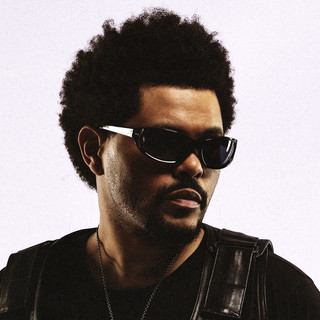
The Weeknd sits at the center of modern dark synth pop and R&B, and his production is more about mood and space than busy notes. The melodies and chord progressions are famously simple, often just a few minor chords walking down the scale, and most of the magic lives in the sound design, the analog synths and the heavy automation that keeps everything moving. The trick most producers miss is patience. These beats take their time, building slowly from a dark guitar or an ambient pad into a big synthwave drop, and they lean on warmth and saturation rather than clean presets. Get the moody chords, the analog synth palette, the two bass layers and the 80s mix right, and your loop stops sounding like a plain preset demo and starts sounding like something The Weeknd could actually sing over. Here is how the sound is built, step by step.
You do not need a finished beat to start. The The Weeknd loops sit in step 1 and again at the bottom, ready to play.
There is no single tempo, and that is the first thing to understand. The tutorials scatter widely because The Weeknd covers everything from slow, ambient dark R&B to driving 80s synth pop. Pop leaning, danceable beats often land between 100 and 115 BPM, the groovy four on the floor hooks sit closer to 100 to 110, slow R&B cuts drop to around 75 BPM, and a few dark synth pop tutorials push all the way to 172 with a double time feel. Pick a tempo that matches the energy of your idea rather than hunting for one fixed number.
The key is minor. Tutorials keep landing in G minor, C minor and E flat minor, and one producer even automates into harmonic minor for a bar or two to slip a little extra darkness under the vocal. The chord progressions are famously simple, often just walking down the scale and lifting back up slightly at the end, not higher than the first chord. Turn on a scale lock in your piano roll, keep the harmonic movement small, and let the sound design and the automation carry the mood instead of constant chord changes.
Keep it simple, because across every tutorial the advice is the same. The progressions are basic, usually three or four chords that mostly descend the scale. A common move is to build a minor triad, thicken it by duplicating the root an octave down, then slide the whole shape down to the next chord so the voicing stays identical. One producer notes that if the progression drifts down and then lifts a little at the end, it almost always sounds right, which is why so many of these beats feel both melancholic and resolved.
The feeling comes from movement, not complexity. Add a counter melody that traces the chords rather than fighting them, keep the first bars simpler and let it grow busier toward the end of each four bar loop. Producers lean hard on call and response, pulling one element out while another answers, so the arrangement breathes instead of piling up. A classic trick is to bounce a chord or an arp, reverse it, then drop the reversed tail into the second half of each phrase for an eerie, vintage texture that you could never play live.
Analog synths are the heart of it. The names that come up again and again are the Roland Juno 106 and Juno 60, the Jupiter 8, the Yamaha CS-80, Prophet and Oberheim style synths like the OB-X8, the Moog One, the ARP 2600 and the Casio CZ. If you do not own the hardware, producers reach for Serum, Arturia Pigments and Analog Lab, and even the free FL stock synth Flex with a synthwave library, then treat the sound so it feels expensive and warm instead of thin and digital.
The secret is saturation and movement. One producer runs quiet VST synths through a drive heavy chorus pedal to add analog warmth and grit, another leans on a bit crusher and preamp saturation for that crunchy, warm low pass glow. Layer a second synth an octave up for brightness, add siren style leads with the portamento knob turned up so the pitch glides between notes, and automate filter, reverb and delay constantly. That filter movement and those little pitch ramps are what turn a flat preset into something alive and cinematic.
Many Weeknd beats open on a dark guitar. Songs like Wicked Games, The Birds and The Morning start on a moody, vibrato heavy guitar, so tutorials recreate that with a guitar patch run through Guitar Rig, then add the vibrato by hand. Keep the chords sparse, leave a lot of space between hits, and pitch the whole part up before you export it so you can pitch it back down afterward for a worn, vintage feel that sits perfectly under the synths.
The Weeknd is not afraid to take things slow, and that patience is a big part of the sound. Producers point out that his intros build over a long time, starting quiet and ambient with a filtered pad and a reverbed synth lead, then slowly automating the volume up. Add ear candy sprinkles, little vocal chops warped with guitar amp distortion, risers and downers, and a single repetitive hat to build anticipation before the full drums finally arrive and the beat opens up.
The bass usually comes in two flavors. For the deep, driving parts, producers layer a clean sine sub, often sidechained lightly to the kick so the low end stays tight, with a second distorted or sync bass on top for attitude. The grimy, distorted bass on the intro of The Hills is a signature move, bright and dirty, and it sets the whole dark tone of a track before a single vocal comes in.
Start the bass on the root notes of each chord, then add a little movement. One tutorial walks the bass up into the first chord using a note that sits in the scale to create tension. For pop leaning hooks, chop the bass into faster eighth notes and move a note up an octave here and there for groove. Roll the lows off the distorted layer so it does not clash with the sub, and keep the written notes simple, because the distortion is carrying the character more than the melody.
Drums split by vibe. For the pop and synthwave hooks, producers start with a four on the floor kick and snare around 100 to 110 BPM, then add double time hats for energy. For the darker R&B side, the drums are spread way out, slow and ambient, with the snare landing on the three and the seven and swung, unquantized hats for a human feel. A classic 80s touch is a deep snare roll at the end of each pattern with the pitch starting high and falling toward the end.
The mix leans warm, wide and analog. Saturate your synths heavily, automate filters and reverb across the whole beat, and use mostly eighth note delays rather than quarter notes for that Weeknd and Mike Dean throw at the end of words and phrases. Keep reverbs present but not drowning everything, add a short room reverb like a slapback, and transpose everything a semitone or two down when you want a darker, more vintage tone.
Once the dark chords, the analog synths and the two bass layers sit together, the hardest part of the sound is done. The part that eats the most time is that simple but perfectly voiced minor progression with its counter melody, so instead of fighting the piano roll you can grab a free hand-played loop in this moody synth and R&B lane, drop it into your session and build the guitars, the bass and the drums around a progression that was actually performed.
Every loop on ndacompany.de is hand-played by real producers, free to download and never AI generated, so you can audition ideas fast and keep the ones that spark something. There is no login wall to hear them, and a free account simply lets you save your favorite loops and come back whenever inspiration hits, so your next The Weeknd type beat starts with a real idea instead of a blank arrangement.
Pick a loop and drag it into your DAW. 808 under it, clap on top, your first The Weeknd beat is running.
All The Weeknd loopsTempo, key and mood of the The Weeknd loops, straight from our catalog.
| Loop | BPM | Key | Vibe |
|---|---|---|---|
| Five | 100 | Ambient, Dark, Sad | |
| Ghoul | 155 | Emin | Ambient, Sad, Melancholic |
| Will You | 111 | C#min | Ambient, Hyper, Vintage, Floating |
| Thoughts | 110 | D#min | Ambient, Sad |
| Fiverr | 96 | Cmin | Ambient |
| Floralys | 140 | D#min | Ambient, Sad |
| Leere | 100 | Ambient, Sad | |
| Orivon | 123 | Dmin | Ambient, Sad |
There is no single tempo, because the sound spans slow R&B to synth pop. Pop leaning beats often sit between 100 and 115 BPM, groovy four on the floor hooks around 100 to 110, slow ambient R&B near 75 BPM, and some dark synth pop tutorials push up to 172 with a double time feel. Pick a tempo that fits your idea.
Minor. Tutorials keep landing in G minor, C minor and E flat minor, and one even automates into harmonic minor for a bar or two for extra darkness. The progressions are simple, often just walking down the scale, so use a scale lock and keep the movement small.
Simple minor chords, often three or four that mostly descend the scale and lift slightly at the end. Build a minor triad, thicken it with the root an octave down, then slide the same shape to the next chord. The mood comes from a counter melody and reversed layers, not from complex harmony.
Analog synths like the Juno 106 and 60, Jupiter 8, CS-80, OB-X8, Moog One and ARP 2600, or software stand ins like Serum, Arturia Pigments and Analog Lab and the free FL synth Flex. Push saturation hard, add siren leads with portamento and automate the filters for that warm, 80s glow.
It depends on the vibe. Pop and synthwave hooks use a four on the floor kick and snare with double time hats, while the darker R&B side uses slow, spread out drums with the snare on the three and seven and swung, unquantized hats. Add a deep 80s snare roll that pitches from high to low at the end of each pattern.
You can download free hand-played loops in this moody synth and R&B lane on ndacompany.de and build your beat around them. The loops are never AI generated, there is no login to listen, and a free account just lets you save your favorites and return anytime.
They are not royalty-free. Free in your own beats; a 50/50 publishing split with NDA Company applies to every commercial release. License Terms
About NDA · All Artists & Genres · Free Loop Kits · Guides · Free Type Beat Loops · Loops by BPM & key · Splice Alternative