Updated 30 Oct 2026
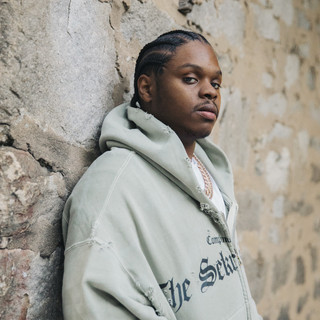
42 Dugg sits right in the Detroit scene next to artists like Tee Grizzley, Lil Baby and EST Gee, and the sound is hard and street but carries a real emotional edge. The melody does most of the storytelling with warm, almost reversed sounding strings and a piano, while a strumming bass guitar and a bouncing, sliding 808 give it that unmistakable Detroit swing. The trick most producers miss is that the drums and arrangement stay simple on purpose, because the melody and the bass are already full of movement and anything fussy underneath turns to mush and leaves no room to rap. Get the melody emotional, the strum bass singing and the 808 bouncing, and your loop stops sounding like a clean preset demo and starts sounding like something 42 Dugg could actually jump on. Here is how the sound is built, step by step.
You do not need a finished beat to start. The 42 Dugg loops sit in step 1 and again at the bottom, ready to play.
The tempo sits fast and flexible. One tutorial building a 42 Dugg beat sets the BPM straight to 165 or 170 to lock the Detroit vibe, then pulls it back a little because the melody felt too fast once the strings were in. That is the honest range to work in, quick enough to bounce but with room to breathe. Start around there, drop your melody, and adjust by ear rather than chasing an exact number, because the energy comes from the bounce rather than from the drums working overtime.
The melodies lean minor and emotional, and the producers stay loose about the exact key. One builds the whole progression around a G sharp root note and moves the other notes down the scale, letting the chords decide the feeling instead of forcing a named scale. Turn on a scale highlight so every note stays in key, pick a root you like, and let the mood come from the chord choices. A classic move is to take the root and drop four semitones for that familiar emotional Detroit and Lil Baby flavor that always works.
Lay down a simple chord, copy it across the bar, then move the middle note up or down while always staying in the scale. That single move generates most of the progression, and adding the root note underneath makes a repeated chord sound different each time. Strings are the go-to, pulled from libraries like Analog Lab or the BBC Symphony Orchestra for their texture, and when they have a slow attack they drift slightly off the grid, so render the melody to audio and trim the very first beat so everything lands tight.
Build the feeling with a counter melody and top notes, not with more chords. One tutorial opens a Mellotron for the counter line and starts it on the third note of the scale, then adds piano top notes starting on the fifth with a quick strum. Keep each layer in its own lane, pan the counter melody to one side and the top piano to the other, and widen the main melody with a stereo tool so the center stays clear. If a part feels too busy, drop it to half time for the verse and keep the faster version for the hook.
The core stack is strings, piano and a Mellotron, with a bell as the Detroit signature. The emotional strings carry the hook, a close grand piano doubles the bass notes and adds bright top notes, and the Mellotron fills a counter melody underneath. Drop a bell on top with a touch of delay, because a Detroit beat rarely feels finished without one. Reverb glues these together, but roll the low end out of the reverb first, since reverb on the lows just muddies everything.
The sound most tied to 42 Dugg is the strumming bass guitar. One tutorial calls it the real key to his beats and reaches for a plugin like Sakura so stock users can get it too, then shifts the key up so the bass guitar does not sound sloppy and thin in the low register. Push the knobs on whatever synth you use instead of trusting clean presets, and cut the low end off the melody bus with an EQ so it does not clash with the 808 that is coming.
The 808 is as loud as the melody and it needs to bounce and slide. Producers reach for a sliding 808, with one tutorial using a preset nicknamed the spins, and shape it with an envelope so each note stops exactly where they want instead of ringing on. Write the pattern around the root and the fifth of your progression, because those are the notes that sit right under Detroit melodies, and let the slides do the movement rather than busy runs.
Then give it the Detroit bounce, the signature off kilter rhythm that makes the low end swing instead of sitting on the grid. Keep the written notes simple and let the glide and the bounce carry the groove. For extra weight you can layer a classic Detroit bass from a kit underneath, add reverb with the low cut pushed up high so it stays clean, and make sure the 808 locks with the strum bass guitar rather than fighting it.
Detroit drums are crisp and busy on the hats but simple underneath. Start with a pitched-up snare, one tutorial raising it a full octave for that sharp Detroit crack, then blend a normal clap and snare under it so it hits hard without sounding thin. Add a quiet kick and some perks for sparkle, and play the pattern in by ear chasing a bounce rather than a rigid grid.
The hats are where Detroit lives. Program a two step base, then go crazy with fast rolls and lower rolls in the gaps, and hold alt while dragging to randomize the pan and velocity so every hit breathes. Pan your rolls left and right so they never feel static. Route everything into a drum bus, add a fast distortion to glue and roughen it, and trim the low end off the bus so the drums leave room for the 808.
The whole sound leans loud and slightly overblown, and it starts with a soft clipper on the master before you do anything else, because it catches peaks and stops the beat clipping out of control while you build. Keep the 808 subby and let it push just into the red, and lean on clean gain staging so the loudness comes from good balance rather than from crushing the master.
Separate your elements with buses and panning. Cut the low end off the melody bus with an EQ so it does not clash with the 808, compress the louder parts before any reverb so the level stays steady, and pan every instrument so each one has its own space. A fast distortion across the drum bus adds the grit, while widening the main melody keeps the center clear for a rapper. Mix to taste, because the goal is hard and full, not destroyed.
Once the emotional melody, the strum bass, the sliding 808 and the crisp drums sit together, the hardest part of a Detroit beat is done. The piece that eats the most time is that in key, emotional melody, so instead of fighting the piano roll you can grab a free hand-played loop in exactly this Detroit lane, drop it into your session, and build the bass, the 808 and the drums around a progression that was actually performed.
Every loop on ndacompany.de is hand-played by real producers, free to download and never AI generated, so you can audition ideas fast and keep the ones that move you. There is no login wall to hear them, and a free account simply lets you save your favorite loops and come back whenever inspiration hits, so your next 42 dugg type beat starts with a real idea instead of a blank arrangement.
Pick a loop and drag it into your DAW. 808 under it, clap on top, your first 42 Dugg beat is running.
All 42 Dugg loopsTempo, key and mood of the 42 Dugg loops, straight from our catalog.
| Loop | BPM | Key | Vibe |
|---|---|---|---|
| Catholic | 140 | F#min | Dark, Hard, Turned |
| Mixed Reality | 136 | D#min | Dark, Hard, Turned |
| GSD | 157 | Dmin | Dark, Turned |
| Prinzen | 159 | Bmin | Dark, Turned |
| Icecold | 140 | C#min | Dark, Turned |
A tutorial building one sets the tempo to around 165 to 170 BPM for the Detroit vibe, then pulls it back slightly because the melody felt too fast with the strings in. Work fast but flexible and adjust by ear, since the energy comes from the bounce rather than the drums.
The melodies lean minor and emotional and producers stay loose about the exact key. One builds the whole progression around a G sharp root and moves notes down the scale, letting the chords set the feeling. Use a scale lock so every note stays in key.
The signature is a strumming bass guitar, called the real key to his beats, often from a plugin like Sakura, with the key shifted up so it does not sound sloppy in the low register. Underneath sits a sliding Detroit 808 written around the root and the fifth.
Use a sliding 808 preset and shape it with an envelope so each note stops where you want, write the pattern on the root and fifth, and lean on the Detroit bounce so the low end swings instead of sitting flat on the grid.
A pitched-up snare, often raised an octave, blended with a normal clap and snare, a quiet kick, perks and a Detroit bell. The hats carry a two step with fast rolls, randomized pan and velocity, run through a distorted drum bus.
You can download free hand-played loops in this Detroit lane on ndacompany.de and build your beat around them. The loops are never AI generated, there is no login to listen, and a free account just lets you save your favorites and return anytime.
They are not royalty-free. Free in your own beats; a 50/50 publishing split with NDA Company applies to every commercial release. License Terms
About NDA · All Artists & Genres · Free Loop Kits · Guides · Free Type Beat Loops · Loops by BPM & key · Splice Alternative
Nothing that fits?
All 42 Dugg loops