
Updated 30 Oct 2026
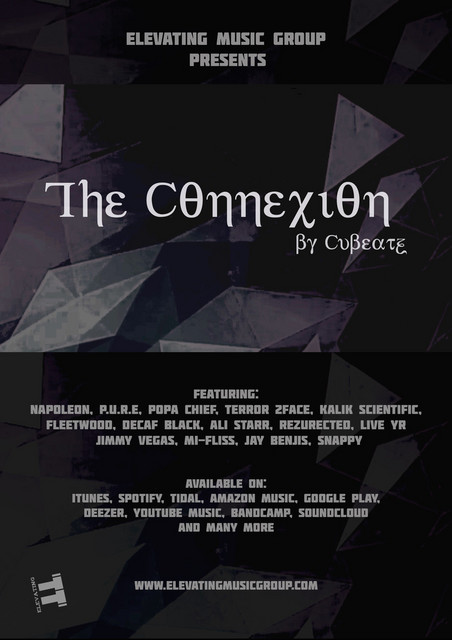
A Cubeatz type beat is the dark, vintage, sample based side of trap. Kevin and Tim Gomringer, the German twins behind Travis Scott's Butterfly Effect, Drake, 21 Savage, Gunna and Don Toliver cuts, built their name on warped live instruments: a flute carrying the chords, bells and strings on top, and a detuned tape texture over all of it. The notes are almost always simple and repetitive, a one or two bar motif looped and flipped, but the grit and the slightly off time feel are what make it sound expensive. The real craft is in the flip, not the melody.
You do not need a finished beat to start. The Cubeatz loops sit in step 1 and again at the bottom, ready to play.
A Cubeatz type beat sits in a minor key between 127 and 150 BPM. Their dark sample loops lean slow and heavy, often landing in the 127 to 140 range, while the harder Migos and 21 Savage records push up toward 150. Pick your tempo first, because the halftime feel and the drum bounce both hang off it.
The key is minor. Most producers in this lane use the natural minor or the harmonic minor scale, and the harmonic minor in particular gives you that slightly darker, more cinematic colour that suits strings and flutes. Let your loop set the key and tune everything else to it.
There is one note trick that shows up across almost every Cubeatz style melody. Start on the root, add the note seven steps above it, then lean on the two notes that sit right next to each other in the scale, the semitone pairs like C sharp and D or G and G sharp. Dropping those tension notes against the root is what makes a melody feel dark instead of sweet, and the phrases usually end by walking downward.
You make a Cubeatz type beat from a dark minor loop built on flutes, bells and strings, flipped through tape detune and chops, then topped with pitched 808s and rolling trap drums at 127 to 150 BPM. The loops in step 1 stream right here and the mp3 is free. Start from the loop, match its key and tempo, and spend your energy on the flip and the drums.
The core move is the flip, not a clever chord progression. Play a simple dark pattern into a sampler instrument, Kontakt and the old Ethno World bank are a classic choice for ethnic flutes and strings, and play it loose. Do not quantize it. Leave the timing off the grid and let the velocities be uneven, because a melody that is too perfect never gets that human Cubeatz feel.
Now mess with the time. Record the loop at one tempo, then halftime it so it stretches out slower and darker, or go the other way: write it slowed down, chop it, then double time it so it speeds up into something new. Pitching the whole thing down an octave or up a few semitones on the flip is normal, and you can resample the result and chop it again every half bar in a quick sampler, set to mono so each chop cuts the last one off, pitched down a few steps for that lagging, off time bounce.
Treat it like building a sample with an A and a B section. Record one part on flutes, a second part on guitar or strings, so a listener could chop two completely different beats out of the same loop. If you want to push the illusion of a found record, run the audio through Melodyne and change a couple of notes after the fact, the way the original producers rework their own recordings.
The flute is the signature Cubeatz instrument. On records like Go and Headlock the flute is not just a top line, it is carrying the chord progression of the whole loop. Keep the pattern super simple and repetitive, a one or two bar motif that just keeps going, and resist the urge to change it up every section, because the repetition is the hook. Real session flutes sound best, but realistic banks like a good alto flute library or even stock DAW flutes and pan pipes get you most of the way.
Layer for depth. Double the flute with a second flute panned to the other side, add bells like a celesta or a cheap real glockenspiel, and bring strings or a cello underneath for the orchestral weight. When you stack live or plucky sounds, soften the harsh attack with a transient shaper so the clicky layers sit together instead of fighting. EQ the lows out of each melodic layer so you leave room for the bass and the 808.
For the bass, go for a short plucky synth bass rather than a long melodic one. High pass it and add a little chorus and delay so you keep the texture of a bassline while scooping out all the low end, which leaves the sub space wide open for your 808. Think dark little repetitive melodies in the same key, panned left and right, rather than one busy lead.
The detuned, warped, slightly broken texture is what separates a real Cubeatz loop from a clean one. Bounce your melody down and run the whole thing through tape, whether that is an RC-20 style plugin on the vinyl preset, a dedicated tape machine, or a full tape emulation. Drive the input a touch so it saturates, then dial in a tasteful amount of wow, flutter and age so you get flutter and detune without it sounding cartoonish.
Pile on the texture sounds. A layer of tape hiss, a vinyl crackle and some room noise together give you that loud background grit you hear on records like Hype. A spring reverb is the right flavour for these vintage loops, and small accents like a pitched down foley click dropped in every few bars tie the sample together. A gentle volume gate or tremolo on the flute adds the pulsing movement that so many of their melodies have.
Keep the processing chain simple per sound: an EQ to pull the lows, the tape or RC-20 for detune, and a reverb for space. The magic is in the detune and the imperfection, not in a huge plugin count.
Cubeatz work next to Metro Boomin, Wheezy and Southside, so the drums are modern dark trap. Start with a tuned 808 matched to the loop's root, and lean into 808 slides and short switch ups between sections to keep the low end moving. Keep the pattern pounding and in the pocket rather than overly melodic.
For the hats, program a simple groove and then add rolls, switching between quarter, half and triplet divisions on the rolls for that Southside bounce, and keep an open hat on the offbeats. Layer a couple of hi-hats, keep one steady and add faster hats on top for texture, and pull them down in level so they do not fatigue the ear.
Leave space. Some of the hardest Cubeatz beats drop the kick for stretches or sit on three drum sounds, because the gaps are what let an artist breathe and what make the 808 hit harder when it lands. Silence in the arrangement is a tool, not a mistake.
The biggest mistake is quantizing everything. If your melody is perfectly on the grid with even velocities it will sound stiff and fake, and it loses the loose, human feel that is the whole point. Play things in by hand, leave the timing a little off, and do not clean it up. The second big mistake is skipping the flip. A clean, untreated loop is not a Cubeatz loop. The detune, the tape, the pitch and time tricks are the sound, so if you stop before the flip you have only done half the work.
Other traps: writing melodies that are too busy instead of trusting a simple repetitive motif, leaving the low end of every melodic layer in so there is no room for the 808, and forgetting to scoop the bass with a high pass. People also over mystify the notes, chasing fancy chords when a root, the note seven steps up and a couple of tension semitones is all most of their hits use. And do not drown it in a cheap, obvious tape preset cranked to the max, because the goal is realistic vintage grit, not a corny wobble.
Every loop here is played by hand, no AI, and free as an mp3. Load one of the dark strings, orchestral or piano loops, take its key and BPM, and you already have the melodic foundation of a Cubeatz type beat in front of you. From there add your own tape detune if you want more grit, drop in a tuned 808 and your rolling trap drums, and leave some space for the artist. The hardest part, a dark loop that already sounds like a real record, is done for you.
Pick a loop and drag it into your DAW. 808 under it, clap on top, your first Cubeatz beat is running.
All Cubeatz loopsTempo, key and mood of the Cubeatz loops, straight from our catalog.
| Loop | BPM | Key | Vibe |
|---|---|---|---|
| Live | 144 | C#min | Dark |
| BIG RIMS | 143 | Gmin | Dark |
| Magie | 134 | Fmin | Dark, Goofy, Hard |
| Atomize | 127 | Gmin | Dark, Vintage |
| Depth | 130 | Gmin | Dark, Hard, Vintage |
| Upgrade | 140 | Fmin | Ambient, Vintage, Hard, Dark |
| 2Glocks | 140 | Emin | Dark |
| Iced Goopa | 148 | Dmaj | Dark, Vintage |
| 10 times | 130 | Gmin | Ambient, Vintage, Dark |
| Cardholder | 146 | A#min | Dark |
Between 127 and 150 BPM. The dark sample loops tend to sit slower around 127 to 140, while the harder Migos and 21 Savage style records push toward 150.
Minor, usually natural minor or harmonic minor. Take the key from your loop, lean on tension notes like a root plus the semitone next to it, and tune your 808 to match.
Dark sampled chords, flutes, bells and strings for the melody, a sampler like Kontakt, and a tape or RC-20 style plugin for the detune. A transient shaper and a spring reverb help, plus a pitched 808 and trap hats for the drums.
Bounce the melody to audio and run it through tape or an RC-20 on the vinyl preset, with a touch of input drive and a tasteful amount of wow, flutter and age. Add tape hiss and vinyl crackle underneath for grit.
Start from a dark minor loop, match its key and tempo, then flip it with halftime, pitching and chops before you add a tuned 808 and rolling drums. Keep the melody simple and repetitive.
Right here. Every loop is a free mp3, played by hand. It is not royalty free though: a commercial release means a 50/50 split with NDA Company.
They are not royalty-free. Free in your own beats; a 50/50 publishing split with NDA Company applies to every commercial release. License Terms
About NDA · All Artists & Genres · Free Loop Kits · Guides · Free Type Beat Loops · Loops by BPM & key · Splice Alternative
Nothing that fits?
All Cubeatz loops