
Updated 30 Oct 2026
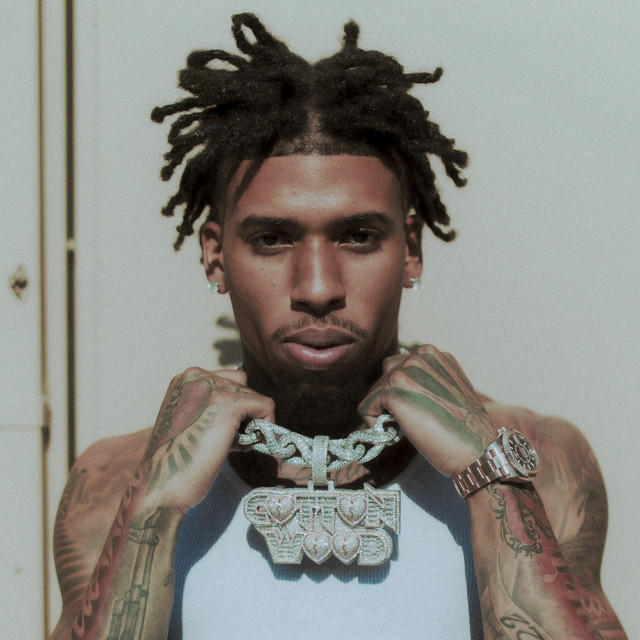
An NLE Choppa type beat has two faces, and the trick is knowing which one you are building. On the aggressive side it is Shotta Flow: a hard, dark piano stabbing choppy notes across different octaves, a distorted 808 that hits like a punch, and drums stripped back to almost nothing so the Memphis energy has room to shout. On the melodic side the same dark piano turns slower and sadder for the sung records. Pick the lane first, keep the loop dark and simple, and let the 808 and the delivery carry the aggression.
You do not need a finished beat to start. The NLE Choppa loops sit in step 1 and again at the bottom, ready to play.
An NLE Choppa type beat lives in two tempo pockets. The aggressive Shotta Flow lane runs fast, mostly 140 to 168 BPM, while the darker, more melodic piano beats sit slower around 120 to 140. Producers who cook these daily tend to stay inside those two windows rather than anywhere in between.
The key is almost always minor, most often B minor, B flat minor, D minor or E flat minor. Take the key from your loop and put the 808 and the piano on the same root.
Half time is part of the sound. A fast grid with a half-time feel is why the same beat can read as both hard and heavy, so count the tempo high and let the drums sit slow underneath.
The loops in this section stream right here and the mp3 is free. Pick a dark one, then work through the six steps.
1. Pick a sample. Take a dark piano loop in minor, choppy rather than flowing, somewhere between 120 and 168 BPM depending on the lane. Grab one from the list below that already sounds a little uneasy on its own.
2. Make it choppy. The NLE Choppa melody is not a smooth pattern, it jumps between octaves and uses half steps, almost random on purpose. If you play your own line, spread the same few notes across high and low octaves so it stabs instead of flows.
3. Lay the distorted 808. This is where the punch lives. Put it on the root of the loop key, set it to cut itself so the notes stay tight, then push it with saturation like Camel Crusher so it comes in heavy and a little broken. Do not go crazy with placement, use octaves for movement and keep the rhythm simple.
4. Keep the drums simple and hard. A hard clap or pump snare on two and four, a plain two-step hi-hat with the fills barely touched, one open hat before the snare. The drums are meant to be almost too simple, they hit hard and stay out of the way.
5. Add the gunshot and the stomp. The Shotta Flow signature is a gunshot or stomp sound at the top of the beat, plus a four-count hit that breaks the beat right before the hook lands. Leave that gap so the energy drops and then slams back.
6. Arrange by taking things away. Start the intro in half time, open it up into full time as it builds, then cut single elements out through the beat to keep the listener anticipating. Strip a layer for the verse so the structure is obvious even without tags, because the artist may not know how you built it.
NLE Choppa broke out of Memphis as a teenager with Shotta Flow, an aggressive, shouted street record that set the template most type beats copy. The energy is loud, hard and in your face, which is why the beats stay so stripped back, there is no room to crowd the voice.
There is a second side to him too. The sung, melodic records use the same dark piano but slower and sadder, so an NLE Choppa type beat can swing from a banger to a pain beat without leaving the sound. Decide which lane you are in before you start.
Either way the Memphis DNA is the same: dark, minor, piano led, heavy low end and a delivery that does most of the work. The beat sets the mood and gets out of the way.
For the melody a dark piano is almost always enough. A plain FL Keys or Keyzone Classic, or a darker preset in a plugin like Harmor, with the reverb pulled down so it stays dry and hard. Cut some lows and highs with an EQ and add a touch of saturation for bite.
The 808 carries the low end on its own. Set it to cut itself, tune it to the root and drive it with saturation until it distorts. That broken, heavy sub is half the identity.
Drums are a hard clap or snare, a simple two-step hi-hat and one open hat. Count the parts, five or six sounds carry the whole beat, and that restraint is the style.
The extras that make it NLE: a gunshot or stomp at the intro, the four-count break before the hook, and the occasional stutter or chop on the main pattern for movement.
The intro is where a lot of the NLE Choppa feel comes from. Run the first bars in half time with something like Gross Beat, then automate the mix so the beat opens up into full time as the energy climbs.
Right before the hook, cut almost everything out and leave a four-count hit, a gunshot or a stomp. That pause and slam is the Shotta Flow move, it drops the floor out for a beat and then brings the whole thing back harder.
Through the rest of the beat, keep pulling single elements in and out. Small cuts and repeats you barely notice keep the listener anticipating and stop a simple beat from feeling repetitive.
A smooth, flowing melody. The NLE Choppa piano is choppy and jumps octaves, so a pretty connected line kills the aggression.
A clean, polite 808. The weight and the menace live in a driven, distorted sub, so push it with saturation instead of keeping it tidy.
Busy drums. These beats stay almost too simple on purpose, so resist the urge to fill every gap with rolls.
Forgetting the gunshot and the break. The four-count hit and the gunshot or stomp are signatures, leaving them out makes the beat generic.
Letting it run too long. Keep it short and let the arrangement breathe, a rapper who is barely started does not need a padded extra verse.
Every loop here is played by hand, no AI, and free as an mp3. Pick a dark, choppy piano figure from the list, drop your distorted 808 under it, and you are already most of the way to an NLE Choppa type beat.
Make a free account to save the loops you like and come back to them, so your next cookup starts on a sound instead of a search.
Pick a loop and drag it into your DAW. 808 under it, clap on top, your first NLE Choppa beat is running.
All NLE Choppa loopsTempo, key and mood of the NLE Choppa loops, straight from our catalog.
| Loop | BPM | Key | Vibe |
|---|---|---|---|
| Dot | 115 | Fmin + F# | Dark, Hard |
| Public News | 150 | Bmin | Dark, Hard |
| Blood flp | 160 | C#min | Dark, Hard |
| Horrorfilm | 140 | Dark, Goofy, Hard | |
| Monkeyball | 140 | Bmin | Dark, Hard, Virtual |
| Nasty | 140 | Cmin | Dark, Hard, Virtual |
| Maiskolben | 140 | Bmin | Dark, Hard, Virtual |
| Selfish | 140 | Cmin | Dark, Vintage |
| Core | 150 | C#min | Dark, Virtual |
| Magazin | 130 | Dark, Hard |
Two pockets: 140 to 168 BPM for the aggressive Shotta Flow lane and around 120 to 140 for the darker melodic beats. A half-time feel sits under the fast grid.
Minor, most often B minor, B flat minor, D minor or E flat minor. Easiest is to take the key from your loop.
A dark, choppy piano that jumps octaves over a distorted 808 and very simple, hard drums, plus the Shotta Flow gunshot and the four-count break.
A dark piano for the melody, a distorted 808, a hard clap or snare, a two-step hi-hat and an open hat, plus a gunshot or stomp for the intro.
Set the 808 to cut itself, tune it to the root and push it with saturation like Camel Crusher until it comes in heavy and a little broken.
Yes, every loop is a free mp3. Not royalty-free: a commercial release means a 50/50 split with NDA Company.
They are not royalty-free. Free in your own beats; a 50/50 publishing split with NDA Company applies to every commercial release. License Terms
About NDA · All Artists & Genres · Free Loop Kits · Guides · Free Type Beat Loops · Loops by BPM & key · Splice Alternative