
Updated 30 Oct 2026
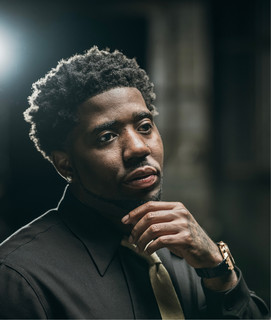
YFN Lucci sits on the emotional, melodic side of Atlanta trap, closer to Rod Wave, Lil Durk and Rylo Rodriguez than to hard street trap, and these beats live or die on the melody and the mood. The producers who build for this lane start from a real keyboard and real guitars, not from a wall of effects. A bright grand piano lays the foundation, electric guitars carry the feeling, and the whole thing stays in one minor scale so every note sounds like it belongs. The trick most people miss is how little the harmony actually moves. Instead of a busy chord progression, the top notes stay put and the bass note underneath walks to a new spot, and that small movement is what makes the loop feel sad and full at the same time. Keep the melody honest, keep the drums out of the way, and the beat starts to sound like something YFN Lucci could sing over. Here is how the sound is built, step by step.
You do not need a finished beat to start. The YFN Lucci loops sit in step 1 and again at the bottom, ready to play.
Tempo sits in the mid range with a slow feel. The tutorials that recreate this sound focus almost entirely on melody and scale and do not pin a single BPM, so treat the number as flexible. The melodic trap and melodic rap lane YFN Lucci lives in runs roughly between 130 and 150 BPM, and it is almost always felt in half time, which is why a beat at this tempo still feels slow, heavy and emotional rather than fast. Set a tempo in that window, then let the melody decide the energy instead of the drums.
The key is minor. In one YFN Lucci and Rod Wave tutorial the whole beat is built in the C minor scale, and that single decision is what lets the producer play freely, because once you know the scale every note you reach for sounds like it fits. Turn on a scale highlight in your piano roll, lock yourself to a minor scale, and keep the loop short. The emotion comes from the sound of the piano and the guitars and from the moving bass note, not from a long chord progression.
The progression is simpler than it sounds. In the tutorial the producer plays a C chord, keeps the top of the chord in place, and then walks the bass note underneath, dropping it from C down to G, over to F and back up to G. That slow walk under held notes is where all the tension and sadness come from, so you do not need four different chords to sound deep. Pick a minor chord, hold the top, and move only the lowest note to a few other scale tones until the loop feels like it is sighing.
Once the bass walk feels right, add a second idea on top rather than a whole new section. Keep the same top notes and let a guitar or a counter melody trace a simple line over them, staying inside the one scale so nothing clashes. The goal is a short loop that loops forever without getting boring, which is exactly the room a melodic rapper needs to write over.
A bright grand piano is the foundation. In both tutorials the keys come from Keyscape, and one producer reaches for the LA Custom C7 Bright preset, a clear, slightly sharp acoustic grand that cuts through without sounding thin. Play the chord with both hands kept simple, and let the brightness carry the top of the mix. If you do not have Keyscape, any clean, bright grand or electric piano will do the same job, because the character here is the playing and the scale, not one specific plugin.
Record the piano by hand rather than drawing it in, because the small timing imperfections are part of why this lane feels human and emotional. Keep the voicing open and uncluttered, leave space between the notes, and resist the urge to fill every beat. The piano sets the mood and the guitars add the detail on top.
Electric guitars do the emotional heavy lifting. In the Rod Wave and YFN Lucci tutorial the producer lays a main electric guitar melody from Kontakt, keeps the top notes steady and changes the bass notes underneath just like the piano, then adds reverb and turns the wet up so the guitar sits in a soft, roomy space. Another producer pulls an electric guitar from Splice for the same job, so a loop you like works just as well as a line you played yourself.
Then add a second guitar as a counter melody. Because the whole beat stays in one minor scale, you can improvise a simple answering line and trust that the notes will sit together, which is exactly how the tutorial builds it. Keep this second guitar quieter and sparser than the lead so it fills the gaps instead of fighting the main hook.
Pads and vocals glue the melody together. Producers in this lane add a soft pad, for example from Purity, sitting low in the background to warm up the chords, and drop in vocal textures like the Exhale vocal instrument from Kontakt or a short vocal chop as ear candy. These parts should be felt more than heard, so keep them quiet and let the piano and guitars stay in front.
The low end comes from a bass that doubles the walking root notes. The tutorials reach for stock and simple sources, a Boom Bass or RBST in FL Studio, or Flex on the Electric Pig Bass preset, following the same bass walk you wrote under the chords. Keep it clean and tuned to the scale so it reinforces the emotion instead of muddying it.
Drums stay out of the way on purpose. This is melodic trap, so the melody and the vocal are the stars, and the drums are there to keep time and add weight without stealing attention. Build the loop and the melody first, exactly as the tutorials do, and only bring in the drums once the mood is already there. A simple pattern leaves the space a melodic rapper needs to sit in the pocket.
Reach for the familiar trap toolkit, a knocking 808 following your bass walk, a crisp clap or snare on the backbeat, and hi-hats with the occasional roll to add motion. Keep the 808 tuned to the root of your scale so the low end and the melody agree, and keep the hats light so the piano and guitars still breathe. Mix the drums under the melody, not over it.
Once the piano, the guitars and the walking bass sit together, the hardest part of this sound is already done, and it is also the part that eats the most time. Instead of fighting the piano roll to find that emotional progression, you can grab a free hand-played loop in exactly this melodic lane, drop it straight into your session, and build the drums and the 808 around a progression that was actually performed by a real player.
Every loop on ndacompany.de is hand-played by real producers, free to download and never AI generated, so you can audition emotional piano and guitar ideas fast and keep the ones that move you. There is no login wall to hear them, and a free account simply lets you save your favorite loops and come back whenever inspiration hits, so your next YFN Lucci type beat starts with a real idea instead of a blank arrangement.
Pick a loop and drag it into your DAW. 808 under it, clap on top, your first YFN Lucci beat is running.
All YFN Lucci loopsTempo, key and mood of the YFN Lucci loops, straight from our catalog.
| Loop | BPM | Key | Vibe |
|---|---|---|---|
| Chosen | 140 | Cmin | Sad |
| You Lyin | 125 | Bmin | Ambient, Sad |
| Motions | 140 | F#min | Ambient, Sad |
| Winner | 147 | D#min | Sad |
| In Deep | 140 | Amin | Sad |
| Pops | 135 | Bmaj | Sad |
The tutorials focus on melody and key rather than a fixed tempo, so treat BPM as flexible. The melodic trap and melodic rap lane YFN Lucci sits in runs roughly 130 to 150 BPM and is usually felt in half time, which keeps it slow and emotional even at a mid tempo number.
Minor. In one YFN Lucci and Rod Wave tutorial the whole beat is built in the C minor scale, and working from a single minor scale is what lets the producer play freely so every note fits. Lock a minor scale in your piano roll and keep the loop short.
Fewer than you think. In the tutorial the producer holds a C chord and walks the bass note underneath from C to G to F and back to G. The emotion comes from that moving bass note under held top notes, not from a long chord progression.
A bright grand piano. Both tutorials use Keyscape, and one reaches for the LA Custom C7 Bright preset. Any clean, bright grand or electric piano works too, because the character comes from the playing and the scale rather than one plugin.
Electric guitars carry the feeling, a main melody plus a quieter counter melody from Kontakt or Splice with plenty of reverb. Add a soft pad like Purity, a vocal texture such as Kontakt Exhale, and a bass from Boom Bass, RBST or Flex that follows your walking root notes.
You can download free hand-played loops in this emotional melodic lane on ndacompany.de and build your beat around them. The loops are never AI generated, there is no login to listen, and a free account just lets you save your favorites and return anytime.
They are not royalty-free. Free in your own beats; a 50/50 publishing split with NDA Company applies to every commercial release. License Terms
About NDA · All Artists & Genres · Free Loop Kits · Guides · Free Type Beat Loops · Loops by BPM & key · Splice Alternative
Nothing that fits?
All YFN Lucci loops