
Updated 2 Nov 2026
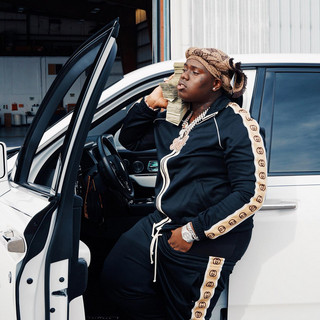
A Sheff G type beat is Brooklyn drill at its darkest: ominous orchestral strings and a catchy, slightly eerie melody over bouncy NY drill drums. Sheff G is one of the pioneers of the Brooklyn drill sound alongside Pop Smoke and 22Gz, and his beats pull the hard UK drill drum pattern across the Atlantic and marry it to a gloomy, almost cinematic top. The melodies tend to be simple and repetitive on purpose, often a reversed piano or string chord with a little choir underneath, because the effects and the bounce do the heavy lifting, not a busy riff. The 808 glides and slides to follow the notes, the snare sits a touch late for swing, and the whole thing feels menacing rather than pretty. It is music built to rock a block, dark, hypnotic and full of bounce.
You do not need a finished beat to start. The Sheff G loops sit in step 1 and again at the bottom, ready to play.
A Sheff G type beat sits in a minor key at 140 to 150 BPM, built around dark orchestral strings. Brooklyn drill runs on the mid tempo drill feel, and the tutorials land in a tight pocket: most producers sit right around 140 to 144 BPM. Start near 140 and nudge up to 144 if you want the drums to push harder. Faster than 150 and you lose the heavy, menacing bounce that makes it sound like Sheff G rather than generic trap.
The key is minor, always. The actual root changes from beat to beat, you will hear B flat minor, C sharp minor and G minor across different cookups, so there is no magic key. Pick a dark minor scale, or just take the key straight from your loop, and build everything else to match. Harmonic and natural minor both work for that gloomy, slightly evil feel.
The whole sound leans dark and orchestral. Think strings, a choir pad, an ominous piano, not bright plucks. The melody can be catchy, Sheff G beats are known for hooks you remember, but the colour underneath stays cold and cinematic. Keep that in mind when you pick your starting chord: somewhere dark, with room for a slide.
You make a Sheff G type beat from a dark minor string or piano loop, a reversed and effected melody, the bouncy Brooklyn drill drum pattern, a sliding 808 and a few movement effects to break up the repetition. The loops in step 1 stream right here and the mp3 is free. Load one, match your key and tempo, then build the drums and 808 on top and arrange it.
Start with a simple chord in a dark minor key. A piano, a string patch or a ghostly keys preset all work, and the trick most producers use is to keep gaps small and sustain on the root note so the progression feels full rather than choppy. Two or three chords is plenty. Sheff G beats usually ride on one or two instruments, not a wall of sound.
The signature move is the reverse. Lay down your chords, then reverse the audio, often with a little fade on the attack, render it to a WAV and keep going from there. That reversed swell is a huge part of the eerie, sucked in feel these beats have. Some producers go further: reverse it, pitch it up twelve semitones, add a bandpass EQ, reverb for ambience and a stereo widener, then clone it, drop it back to the original pitch and layer the two.
Stack a choir or string pad underneath to deepen the darkness. Pull up an orchestral strings patch or a choir preset, play the same chords, cut the lows with an EQ so it does not clash, and add a short delay and reverb to push it back. The dry chord carries the melody, the reversed layer gives the ghost tail, and the choir fills the space behind both. Keep each layer simple and let the stack do the work.
Add character with texture plugins. RC-20 or a cassette plugin for lo-fi grit, a touch of micro shift or an imager to widen the stereo, and a bandpass to carve out space. The melody itself stays basic, the colour comes from the processing.
The drums are what make it drill. The core is the NY and UK drill snare pattern, a syncopated roll you can count as skip two, skip two, skip one across the bar. The classic Brooklyn twist is to drag the second snare slightly late so it lands just off the grid. That tiny delay is where the bounce comes from, so program it loose and do not over quantize it.
Build the kick pattern around the snare so the two lock into a groove rather than sitting on every beat. A crash on the first beat of the bar and a cymbal that cuts itself off right as the snare hits keep the top end clean and punchy.
Hi-hats stay restrained. This is not fast rolling trap, a lot of Sheff G records barely use hats at all, so keep them sparse: a shaker or a steady pattern with the odd roll, and reversed open hats treated almost like a perc for movement. If in doubt, use fewer hats, not more. The bounce lives in the snare and the 808, not in a thousand hi-hat rolls.
Keep the whole kit punchy and a little dark to match the melody. The drums should hit hard and swing, but they should never fight the strings for attention.
The 808 is where UK and NY drill meet. Start on the root note of your chord, usually the same note the melody sits on, then draw in slides so the bass glides between notes instead of stepping cleanly. In most DAWs you set a note to slide so it bends into the next pitch, which gives that liquid drill bass that follows the melody around.
Keep the pattern simple and leave space for a vocal. Use the root notes of the chords, but not the exact melody line, so the bass feels related without copying the top. One slide into a higher note and back is often enough to carry a bar.
How heavy you go on slides is a judgement call. Some producers slide the 808 constantly and treat it like a lead, others point out that Sheff G beats actually share a lot of UK drill aesthetics but use fewer wild slides than you might expect, keeping the bass more grounded. Both are correct, so match the slides to the energy of your melody rather than sliding on every note by reflex.
A classic drop trick is to slide the 808 down a full octave into the beat, say from G5 down to G4, and let the kick, the crash and the bass all impact on the same hit. That octave swoop replaces a riser and drops you hard into the hook.
Because the melody is simple and repetitive, the arrangement is where you keep it interesting. The go to tools are Gross Beat and ShaperBox for rhythmic gating, stutters and half time flips, plus a tape stop or reverse effect to slam into a new section. Automate a low pass filter to pull the highs out of the intro, then open it up when the drums land.
Pitch the melody down an octave for the intro, then bring it back up and add the choir or a flute layer for the hook, so each section reveals a bit more. Hold back a layer like the perks or the open hats on the first pass and bring it in the second time around. That slow reveal keeps a two chord loop from getting boring.
Need a riser and do not want a stock one? Take your own melody, drench it in reverb, record the tail into a recorder like Edison, then reverse that and drop it in. It is in the same key and the same instrument as the beat, so it is a fail proof transition. Some producers swap the bass entirely in later sections, bringing in a grimey sub that only plays when the 808 rests, to keep the low end moving.
On the mix, less is more. Level your sounds well at the source, keep the strings and choir sitting behind the drums, and do not let the hats fatigue the ear. If each part already hits, the beat is most of the way mixed before you touch the master.
The biggest mistake is making it too fast or too busy. People hear drill and reach for rolling triplet hats and a trap tempo, but a Sheff G beat lives around 140 to 144 BPM with sparse hats and a heavy bounce. Speed it up or pile on hi-hats and it stops sounding like Brooklyn drill. The second big mistake is over quantizing the snare: if you snap that second snare dead to the grid you kill the swing, the slight late hit is the entire point of the bounce.
Another trap is a melody that is too complicated or too bright. These beats ride on one or two dark instruments and a lot of effects, not a clever progression played on a happy piano. If your top is busy and cheerful, it will never feel menacing. Keep the chords simple, keep them minor, and let the reverse, the choir and the processing carry the mood. Finally, do not forget to leave space for a vocal: pack the whole frequency range with 808 slides, strings and hats and there is nowhere for the rapper to sit.
Every loop here is played by hand, no AI, and free as an mp3. Load one of the dark string or orchestral loops, take its key and tempo straight into your project, then build the Brooklyn drill drums, the sliding 808 and your movement effects on top. The hardest part of a Sheff G type beat, that gloomy cinematic melody, is already done for you.
Pick a loop and drag it into your DAW. 808 under it, clap on top, your first Sheff G beat is running.
All Sheff G loopsTempo, key and mood of the Sheff G loops, straight from our catalog.
| Loop | BPM | Key | Vibe |
|---|---|---|---|
| Glockstation | 140 | Gmin | Dark |
| 2Glocks | 140 | Emin | Dark |
| Raus aus dem Block | 140 | Amin | Dark |
| Whipdrift | 143 | Dmin | Dark |
| Never | 145 | Dark, Hard | |
| New Money | 145 | Bmin | Dark, Hard |
| Idle | 140 | G#min | Dark |
| Blockspinner | 150 | Dark, Hard | |
| Strike | 140 | Dark |
Mid tempo drill, 140 to 150 BPM, with most producers sitting right around 140 to 144. Any faster and you lose the heavy Brooklyn bounce.
Minor. The root varies, you will hear B flat minor, C sharp minor and G minor on different beats, so just pick a dark minor scale or take the key from your loop and tune the 808 to match.
A dark piano or string patch, a choir pad, a sliding 808 and simple drill drums. A reverse effect, Gross Beat or ShaperBox for movement, and a lo-fi plugin like RC-20 or cassette for texture do most of the colour.
Play a simple minor chord, reverse it and render it, layer strings and a choir underneath, program the drill snare with the second hit slightly late, and slide the 808 to follow the melody.
No. A lot of his records barely use hats, so keep them sparse. The bounce comes from the late snare and the sliding 808, not from fast rolling hi-hats.
Yes, every loop is a free mp3. Not royalty free though: a commercial release means a 50/50 split with NDA Company.
They are not royalty-free. Free in your own beats; a 50/50 publishing split with NDA Company applies to every commercial release. License Terms
About NDA · All Artists & Genres · Free Loop Kits · Guides · Free Type Beat Loops · Loops by BPM & key · Splice Alternative
Nothing that fits?
All Sheff G loops