
Updated 30 Oct 2026
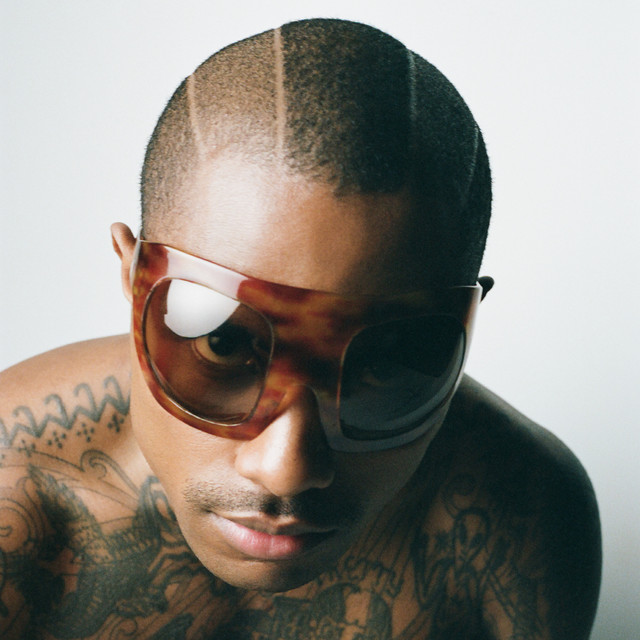
Steve Lacy built a signature indie and alternative R&B sound out of raw guitars, chord extensions and a bedroom pop looseness that most polished producers sand right off. The magic is not a secret plugin, it is restraint and feel. He famously made a lot of his early music on an iPhone, playing and singing straight into the mic, and that human imperfection is the whole point. A Steve Lacy type beat lives on a Stratocaster run through chorus, lush seventh and ninth chords, a simple live bass that follows the roots, and drums kept deliberately simple and a little off the grid. Get the pocket and the texture right and your loop stops sounding like a stock VST demo and starts sounding like something he could actually sing on. Here is how the sound is built, step by step.
You do not need a finished beat to start. The Steve Lacy loops sit in step 1 and again at the bottom, ready to play.
No tutorial that recreates his sound pins down a fixed BPM, and that is the honest answer. Steve Lacy's indie and alt R&B sits in a relaxed, mid tempo pocket where the groove and the space between the hits matter far more than the number on the transport bar. The advice producers repeat is to build around the pocket, let the drums and bass lock together naturally, and leave room instead of filling every gap. Pick a tempo you can comfortably sing a melody over, then let the feel lead rather than the metronome.
The harmony is where he gets specific. Steve Lacy leans hard on chord extensions, seventh, ninth and eleventh chords, which is a huge reason his progressions sound so lush. Tutorials recreate him in both major and minor, for example working in E major in one breakdown and F sharp minor in another, so there is no single correct key. One producer boils his progressions down to a simple rule, start on the four chord and end on the two chord, so in C major you would begin on F major and resolve to D minor. Choose a key, write a short loop, and let those extensions and that four to two pull do the emotional work.
Extensions are the heart of it. Think of a plain triad as a house with one floor, and a seventh chord adds a floor, a ninth adds another, an eleventh and a thirteenth keep stacking, each one giving you more notes and more harmonic color. Steve Lacy keeps the progressions themselves minimal, often just a few chords, and lets minor seventh and dominant seventh voicings create the tension. Keep your changes few and your chords rich rather than cramming in a dozen moves.
A couple of tricks make it read as him. Start the progression on the four chord and land on the two chord for that signature unresolved, wistful feeling. For a smokier, almost bossa nova flavor, try a two five one in a minor key, which is exactly how one tutorial built its Steve Lacy flip. And when you play the chords in, do not quantize everything to a hard grid. Nudge the notes so they do not all hit at the same instant, because a real player never lands every string perfectly together, and that tiny spread is what sells it.
Guitar is the identity of the sound. Steve Lacy mainly plays a Fender Stratocaster, so a Strat style tone gets you closest, and if you cannot play, producers recommend a guitar plugin like Ample SC, which emulates a Strat, or Ample Guitar in strumming mode with stroke noises and up and down sequence patterns for a realistic feel. Run the clean guitar through chorus and a phaser, because that pairing is what turns a flat DI sound into the washed, shimmering tone people recognize instantly.
Then layer for width and humanity. A common move is to record or program the same chords on two guitar takes and pan one hard left and one hard right for a fuller, wider sound, and some producers triple the same part with randomized velocities and a humanize tool so the slightly different timings gel into one organic strum. Mostly downstrokes, a little wobble or vibrato, and a touch of tape or an amp add grit. The goal is a guitar that feels played in a room, not clicked into a piano roll.
The bass keeps things simple and groovy. The repeated advice is to follow the root notes of your chord progression first, then add small licks and movement so the line is not static. Jumping up to the fifth, or dropping to the fifth below, is a quick way to add bounce, and a real bass guitar or a realistic plugin like MODO Bass or Ample Bass sells the tone far better than a stiff synth sub.
If you want his fuller studio bass, one breakdown layers two basses, a Rickenbacker EQ'd to keep only the low frequencies and a P bass given some fuzz with its lows cut, blended so they gel. Flat wound strings give that deep, round tone, and a touch of sidechain so the bass ducks under the kick lets both punch through. Keep it pocketed with the drums and let the licks, not the volume, carry the interest.
Steve Lacy drums are deliberately simple and acoustic. The core is often just a kick with a snare on the two and the four, played with live or acoustic drum sounds rather than crisp trap samples, so if you are digging through a trap one shot kit you are in the wrong folder. Program the hats and perc with varied velocities and a few hits pushed off the grid, because those small timing and volume imperfections are what make the groove feel human and real.
Layering and texture finish the kit. Producers stack a drum break under one shot kicks and snares for a fuller sound, sometimes swapping a harsh snare for a softer snap or perc, and add a flanger for movement. A plate or room reverb glued across everything except the kick creates that live drum room feel, and tape, compression and saturation beef the whole thing up. Keep it sparse, keep it swinging, and let the drums breathe.
The raw, bedroom quality is the Steve Lacy trademark, and a lot of it comes from how it is recorded. He famously built whole songs on an iPhone in GarageBand, plugging his guitar in through an iRig cable and singing straight into the phone mic up close, which bakes real room reverb and ambient character into every take. You can chase the same thing by recording parts through a real mic, or by resampling a clean take back through the air, so the imperfection becomes the texture.
In the box, lo it down with the tools producers name again and again. RC-20 or a similar vintage effect adds vinyl crackle, wobble and wow and flutter, a VHS or tape plugin softens and saturates, and chorus plus a phaser widens the guitars. Pitch or speed a layer up for a warped flavor, reverse a chord to swell into a gap, and resist the urge to polish everything clean. The whole point is to preserve the feel and let the imperfections shine.
Keys and synths sit underneath to fill the harmony. Electric piano, a dusty acoustic piano or a Steinway following the chords adds warmth, while pads from classic synths like the Roland Jupiter, a Juno 60 or an OB6 lush out the background. You do not need to overthink these, just follow the chords from your guitar and let the pad glue the progression together.
For the signature trippy motion, lean on pitch and glide. Turning on portamento gives a sliding, gliding lead, and riding the pitch wheel to gradually detune a note creates that woozy wobble that sounds so Steve Lacy. Add a simple counter melody that answers the guitar with descending notes, keep the processing raw rather than pristine, and treat synths as a flavor on top rather than the main event.
Once your guitar, chords and texture lock together, the hardest part of the sound is already done. Instead of hunting for samples that never quite catch that raw indie R&B feel, grab free hand-played loops in exactly this lane, drop them straight into your session, and build your beat around a progression that was actually performed rather than drawn in with a mouse.
Every loop on ndacompany.de is hand-played by real musicians, free to download, with no AI and no login needed to get started. Create a free account whenever you want to save your favorite loops and come back to them as inspiration hits, so your next Steve Lacy type beat starts with a real idea instead of a blank arrangement.
Pick a loop and drag it into your DAW. 808 under it, clap on top, your first Steve Lacy beat is running.
Browse all loopsThere is no fixed BPM. His indie and alt R&B sits in a relaxed, mid tempo pocket, and tutorials focus on groove and space rather than a set number. Pick a tempo you can sing over and let the drums and bass lock into the pocket.
Both major and minor work, with examples like E major and F sharp minor. The signature is chord extensions, seventh, ninth and eleventh chords, often starting on the four chord and ending on the two chord for that unresolved feel.
He mainly plays a Fender Stratocaster run through chorus and a phaser. If you cannot play, use a Strat style plugin like Ample SC, record two takes panned left and right, and keep it mostly downstrokes with a little wobble.
A simple live bass that follows the root notes with small licks for movement. For a fuller tone, layer a Rickenbacker and a P bass with flat wound strings, add a little fuzz and sidechain it under the kick.
Simple acoustic or live drums, usually a kick with a snare on the two and the four. Play the hats with varied velocities slightly off the grid, layer a break with one shots, and add room reverb and tape for that human feel.
You can download free hand-played loops on ndacompany.de in this indie R&B lane, with no AI and no login to get started. A free account lets you save your favorites and return to them anytime.
They are not royalty-free. Free in your own beats; a 50/50 publishing split with NDA Company applies to every commercial release. License Terms
About NDA · All Artists & Genres · Free Loop Kits · Guides · Free Type Beat Loops · Loops by BPM & key · Splice Alternative