Updated 30 Oct 2026
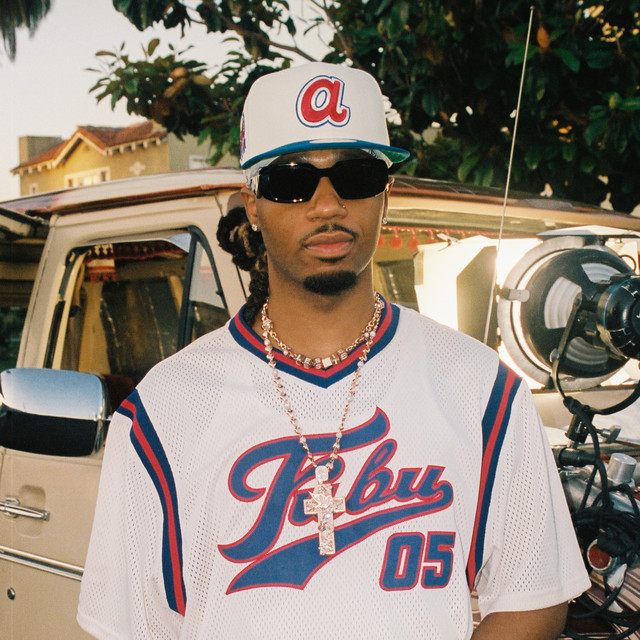
Metro Boomin is arguably the biggest producer in the game, and the thing people miss about that signature dark cinematic sound is how simple it is under the hood. A spacey bell or synth melody in minor, a couple of chords repeating, drums that bounce instead of showing off, and a subby 808 that mostly stays out of the way. One breakdown of twelve of his most iconic beats found he leans on the same handful of chord shapes almost every time, like a formula he knows by heart. The reason it works is that he builds beats for rappers, not to impress other producers, so the melody stays dark and spacious and leaves a ton of room for a voice to sit on top. Get the bell melody eerie, the chords repeating and the drums bouncing, and your loop stops sounding like a busy preset demo and starts sounding like something Metro could actually hand to Future or 21 Savage. Here is how the sound is built, step by step.
You do not need a finished beat to start. The Metro Boomin loops sit in step 1 and again at the bottom, ready to play.
Tempo sits in the classic trap pocket. The iconic Metro beats land roughly between 130 and 160 BPM, Metro himself has said he works from 120 all the way up past 160, and producers recreating the sound in tutorials tend to set something like 148 or around 140. Pick a tempo in that window and let it run, because the drums stay simple and bouncy on purpose and the energy comes from the melody and the groove rather than from busy programming.
The key is minor, and most of the time it is the natural minor scale, with C minor showing up again and again in tutorials. Turn on scale highlighting, pick minor natural with your root note, and keep every note in key. A signature move is placing bell notes just one semitone apart, because that tight interval is what creates the tension and the dark, eerie feeling. Keep the loop short, since most of these beats are really just two chords repeating.
Metro does not start from zero, he starts from a few well known progressions. An analysis of twelve of his most iconic beats found three recurring shapes in the natural minor scale: 1-4, which was by far the most common and showed up in six of the twelve, plus 1-2 and 1-5. You can find any of them by seeing the scale as numbers and counting in threes from the root, so a one chord is scale degrees one, three, five, and a four chord starts on the fourth degree. Every one of these progressions pairs a one chord, which feels like home, with a second chord that repeats, and that repetition is a big part of how the sound stays dark.
How you voice them matters as much as the chords themselves. Invert the top notes down to keep the jumps between chords small, or spread them wider for a different feel, and drop the whole thing an octave for weight. A simple one six move in C minor with the notes dropped an octave is a classic starting point, and so is going from a C minor chord to a C sus2 chord, which nudges a middle note up for extra tension. Then drop in passing tones, notes from the scale that are not part of your chords, because Metro uses those all the time to turn a static progression into a melody.
Like a huge share of Metro beats, you start with the bell. Load a multisample bell, the kind you get from a plugin like Grain X4, or a synth bell preset from Omnisphere such as the well known minty bells, and lay down a simple pattern in your minor scale. Lean on those notes a semitone apart for the eerie tension, then bring in your chords on a key or pad sound and copy the root notes down an octave to anchor it. Keep the harmony to the two repeating chords and let the bell do the talking.
The movement comes from arpeggios and small ideas, not from a wall of notes. Turn on an arpeggiator or chop the chord notes into one note at a time, and shape them into an ascending or descending run, which is one of Metro's most consistent melodic habits. A descending quarter note bell pattern is pure Metro. You can also build a two level melody, using the inverted chords as the low part and a freer counter melody up top as a call and response. Keep the counter melody simple, because it is there to accent the hook, not to compete with it.
Omnisphere is the iconic VST behind a lot of this sound, home to the synth bells, the melotron style flutes and the growly Moog bass that show up across the classic beats. Around those, producers layer pianos, pads, trumpets, horns and strings from an orchestral library for an epic, cinematic weight, plus flutes for a supporting line and violin trill presets for a genuinely creepy edge. A deep, simple synth bass underneath glues it together. Keep the instruments few and simple, since the whole point is a spacious melody with room for a rapper, so cut the high end off busy parts to open up space.
A lot of the character comes from making things sound old. Pitch a melody or a sample down a few semitones so it reads as vintage and sampled, and run it through something like RC20 retro color or a tape emulation to add noise, detune and grit. Soul samples are a core Metro move, pitched and sped up for an intro before the beat switches into something darker. And from around 2018 he leaned into analog hardware, Moog, Prophet and Jupiter synths, for a warmer, heavier texture than clean VST presets, so if you have access to analog style sounds, reach for them here.
The drums are simple on purpose, and the magic is in the groove. In Metro's own words, the kick is not placed on every 808 hit but spaced out into specific spots, so the kick, the 808 and the hats bounce off each other instead of landing together. Layer a clap with a bounce snare that acts more like percussion, often alternating in an A and B relationship with another percussion sound, and add accent notes between the main snare hits for movement. Dropping the snare a note lower makes it meaner. Keep hats as a simple two step with a few small rolls rather than random slices everywhere, add an open hat and a triangle, and a touch of reverb to glue it.
Keep the 808 simple too. Metro often uses a subby 808 layered with a kick, sometimes literally just two hits for the whole pattern, and on newer beats the kick and 808 get choppy with little bits of silence between hits. Since he plays his drums in on an MPC, humanize the midi by dragging notes slightly off the grid and randomizing velocities so it feels played rather than clicked in. Finish with a soft clipper on the master, the easiest way to get that distorted trap edge that holds the whole beat together.
Metro keeps listeners interested without overcomplicating anything. Often the same melody simply repeats through the track, and the variation comes from subtle moves: pitching the main melody down in a later section, dropping it out and replacing it with a simpler counter melody, adding hat rolls in a new part, or swapping to a second, more distorted 808 to lift the energy of a B section. A beat switch, where a clean sampled intro drops into a darker trap section, is one of his signature structures.
The mix stays spacious and dark so the beat serves the voice. Cut the high end off the melody with an EQ to leave room for the rapper, because if the melody fills the highs there is no space for vocals. Reverb is used generously, since, as Metro puts it, it makes everything sound a little cooler. Keep the 808 subby and just clipping, lean on the master soft clipper for grit, and resist the urge to overproduce. Simple works, and leaving room is the whole point.
Once the bell melody, the repeating chords and the bouncy drums sit together, the hardest part of the sound is done. The part that eats the most time is that dark, in key melody, so instead of fighting the piano roll for an hour you can grab a free hand-played loop in exactly this dark cinematic lane, drop it straight into your session, and build the drums, the subby 808 and the mix around a progression that was actually performed.
Every loop on ndacompany.de is hand-played by real producers, free to download and never AI generated, so you can audition ideas fast and keep the ones that spark something. There is no login wall to hear them, and a free account simply lets you save your favorite loops and come back whenever inspiration hits, so your next Metro Boomin type beat starts with a real idea instead of a blank arrangement.
Pick a loop and drag it into your DAW. 808 under it, clap on top, your first Metro Boomin beat is running.
Browse all loopsTempo, key and mood of the Metro Boomin loops, straight from our catalog.
| Loop | BPM | Key | Vibe |
|---|---|---|---|
| Gold | 142 | Cmin | Ambient, Sad |
| Daytime | 130 | F#min | Ambient |
| Away | 110 | Ambient, Sad | |
| Staccato | 140 | Cmin | Ambient |
| Aftersun | 120 | G#min | Ambient, Virtual |
| Malan | 138 | Gmin | Ambient, Happy, Virtual |
| 1 Million | 158 | Cmin | Ambient, Sad |
| Western | 140 | Fmin | Ambient, Vintage, Western, Hard |
| Barely | 120 | Fmin | Ambient, Virtual, Wavy |
| Kxst | 140 | Amin | Ambient, Happy, Virtual |
The iconic Metro beats sit roughly between 130 and 160 BPM, Metro himself says he works from 120 up past 160, and tutorials recreating the sound tend to land around 140 to 148. The drums stay simple and bouncy, so the energy comes from the melody and the groove rather than from busy programming.
Minor, usually the natural minor scale, with C minor appearing again and again in tutorials. Use scale highlighting with minor natural and your root note, and place bell notes a semitone apart to create the tension and the dark, eerie tone.
Mostly three recurring progressions in natural minor, 1-4 (the most common), 1-2 and 1-5, each pairing a one chord with a repeated second chord. Invert the top notes to keep the jumps small, drop the chords an octave, and add passing tones from the scale to turn the progression into a melody.
Bells are the signature, often the first sound, from a multisample bell or an Omnisphere synth bell. Around them sit pianos, pads, flutes, strings, trumpets and creepy violin trills, with Omnisphere as the iconic VST. From 2018 he leaned into analog synths like Moog and Prophet, and he flips pitched-down soul samples.
Simple and bouncy. A clap layered with a bounce snare, a two step hat with a few rolls, an open hat and a triangle, plus a subby 808 layered with a kick, sometimes just two hits. Space the kick out from the 808 for groove, humanize the drums as if played on an MPC, and put a soft clipper on the master.
You can download free hand-played loops in this dark cinematic lane on ndacompany.de and build your beat around them. The loops are never AI generated, there is no login to listen, and a free account just lets you save your favorites and return anytime.
They are not royalty-free. Free in your own beats; a 50/50 publishing split with NDA Company applies to every commercial release. License Terms
About NDA · All Artists & Genres · Free Loop Kits · Guides · Free Type Beat Loops · Loops by BPM & key · Splice Alternative